Starting an activewear line, especially in the competitive yoga wear market, requires meticulous attention to detail. One of the most critical steps in this journey is fabric sourcing. For emerging brands and established businesses alike, finding the perfect material that balances stretch, breathability, durability, and cost can be daunting.
When navigating first-time fabric sourcing, many brand owners fall into the trap of ordering excessive samples, which quickly depletes their budget before production even begins. To help you streamline this process, here is a comprehensive guide on how to order fabric samples efficiently without wasting your valuable budget, tailored specifically for those in the custom yoga wear industry.
The most common mistake in fabric sourcing is requesting samples without a clear vision. In the realm of custom yoga wear, not all spandex or nylon blends are created equal. Before contacting any supplier, define the exact specifications your garments require.
Are you designing high-compression leggings for intense workouts, or buttery-soft joggers for casual lounging? High-impact activewear demands moisture-wicking properties and four-way stretch, while athleisure prioritizes hand-feel and comfort. Knowing the end-use allows you to narrow down the fabric weight (GSM) and composition.
Your retail price dictates your sourcing budget. If you are positioning your brand as a premium label, you might explore specialized eco-friendly fabrics or advanced technical blends. For a more accessible price point, standard polyester-spandex blends might be more appropriate. Communicating your target price to suppliers prevents them from sending beautiful but financially unviable samples.
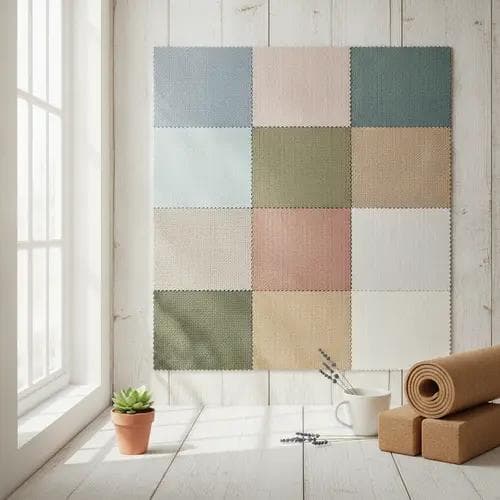
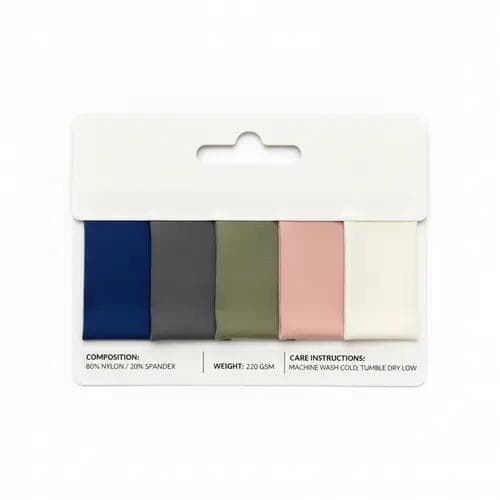
Instead of ordering full yards of fabric right away, always start with hanger samples, also known as headers. A hanger sample is a small swatch of fabric attached to a cardboard header, usually displaying the available color palette and providing basic specifications like weight and composition.
Hanger samples are often free or very low-cost. They provide enough material to evaluate the hand-feel, stretch recovery, and color accuracy. For a yoga apparel brand, this initial touch test is crucial to ensure the fabric meets the comfort standards expected by consumers. Only after a hanger sample passes your initial quality check should you invest in larger yardage.
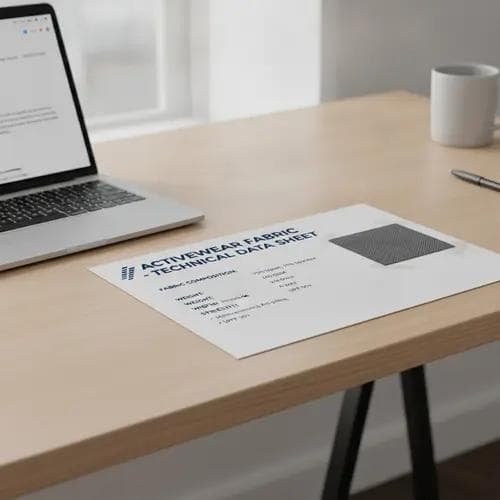
Vague requests lead to unnecessary sample shipments. When reaching out to a manufacturer or fabric mill, provide a detailed brief. A professional inquiry should include:
By presenting a clear, professional request, suppliers will take your business more seriously and curate a targeted selection of samples, saving both time and shipping costs.
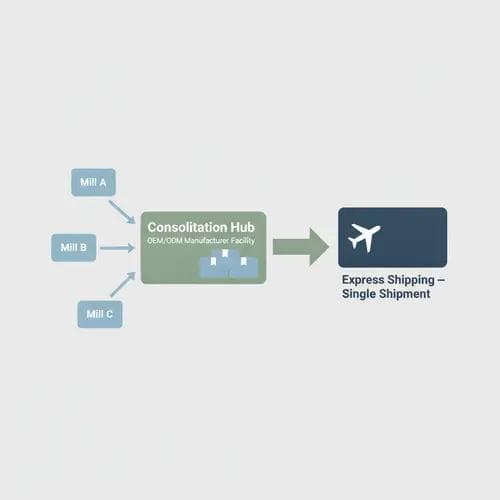
International shipping for fabric samples can quickly become exorbitant. If you are sourcing from overseas manufacturers, shipping a few swatches via express courier can cost more than the samples themselves.
To avoid this, try to source multiple options from a single, comprehensive supplier who can provide a wide range of activewear fabrics. Alternatively, if you are working with an OEM/ODM partner for your custom yoga wear, they often have established relationships with multiple mills. A reliable manufacturing partner can consolidate various fabric options into one shipment, drastically reducing your logistics expenses.
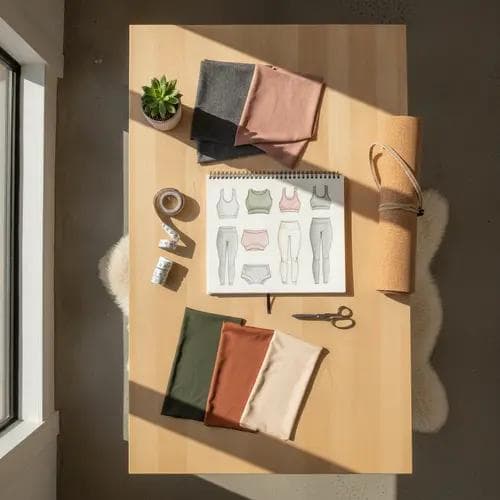
Once you have selected the most promising hanger samples, order a small run of sample yardage (usually 1 to 5 yards) to create prototypes. This step is non-negotiable for activewear.
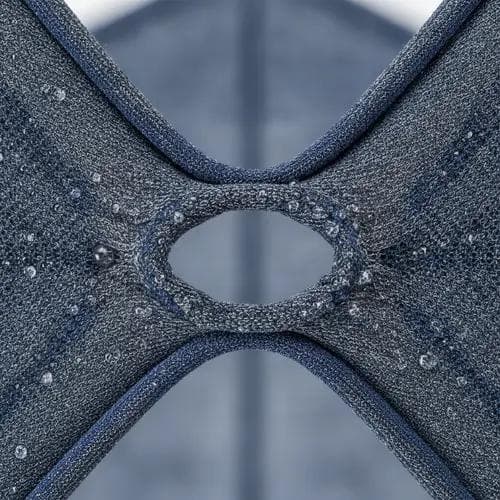
Yoga pants undergo extreme stress. You must construct a sample garment to test how the fabric performs under tension. Does it become sheer when stretched? Does it recover its original shape after washing?
Subject the prototype to rigorous washing cycles to check for colorfastness, shrinkage, and pilling. Identifying a flaw at the prototype stage costs a fraction of what it would cost to discover the issue after a bulk production run.
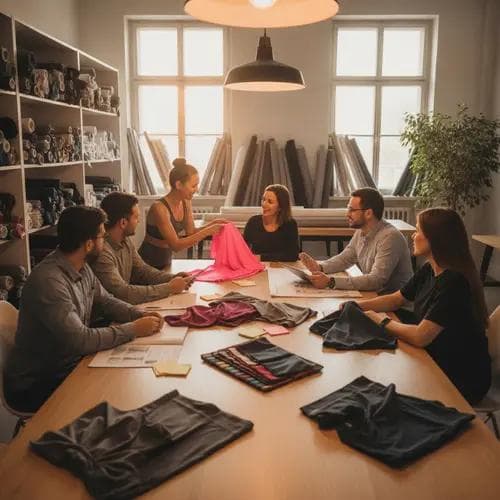
Navigating fabric sourcing independently can be a steep learning curve. One of the most effective ways to optimize your budget and ensure premium quality is to partner with a seasoned manufacturer who understands the nuances of the activewear market. An experienced partner will guide you toward the best materials for your specific designs, leveraging their existing supply chain to provide high-quality options without the trial-and-error costs.
Bring Your Yoga Wear Vision to Life
Are you ready to elevate your activewear brand with premium, performance-driven fabrics? We specialize in high-quality custom yoga wear, offering comprehensive OEM/ODM and brand cooperation services tailored to your unique vision. From expert fabric sourcing and pattern making to bulk production and private labeling, our team is dedicated to bringing your designs to reality efficiently and cost-effectively. Stop wasting budget on endless sample hunting. Contact us today to discuss your next collection and discover how our manufacturing expertise can scale your business.
1. What is the difference between a hanger sample and sample yardage?A hanger sample (or header) is a small fabric swatch used to check the feel, color, and basic stretch of the material, usually provided at minimal cost. Sample yardage involves purchasing a few yards of the fabric to sew a prototype garment and conduct performance testing, such as wash and stretch tests.
2. How much GSM is ideal for custom yoga leggings?For high-quality, squat-proof yoga leggings, a fabric weight between 220 GSM and 280 GSM is generally recommended. Lighter weights (under 200 GSM) may be too sheer for intense workouts, while heavier weights (above 300 GSM) can feel too restrictive and warm.
3. Why are my fabric samples taking so long to arrive?Shipping times depend on the supplier's location and the shipping method chosen. Standard international mail can take weeks. To expedite the process without overspending, ask your supplier or manufacturing partner to consolidate multiple fabric options into a single express shipment.
4. Can an OEM/ODM partner help me source eco-friendly activewear fabrics?Yes, a reputable OEM/ODM manufacturer with experience in the activewear sector will have strong relationships with mills that produce sustainable textiles, such as recycled nylon, recycled polyester, and organic blends, helping you align your brand with eco-conscious consumer demands.
5. Do I need to pay for fabric samples?While many suppliers offer small swatches (hanger samples) for free, you are typically responsible for the shipping costs. For sample yardage required to make prototypes, you will need to pay the per-yard price of the fabric plus shipping. Working with a full-service manufacturing partner can often streamline these costs.
Written by
Dayu
Ready to bring your
yoga brand to life?