In the highly competitive activewear market, particularly within the yoga apparel sector, the fabric is the true soul of the garment. Brands are constantly seeking the perfect balance of a buttery-soft texture, four-way stretch, moisture-wicking capabilities, and squat-proof opacity. Achieving these specific performance metrics often requires custom fabric development rather than relying on off-the-shelf options.
For activewear brands, understanding the custom fabric development timeline is crucial for planning seasonal product launches, managing inventory, and ensuring consistent premium quality. This comprehensive guide walks you through the entire process, from the initial concept to the final production batch.
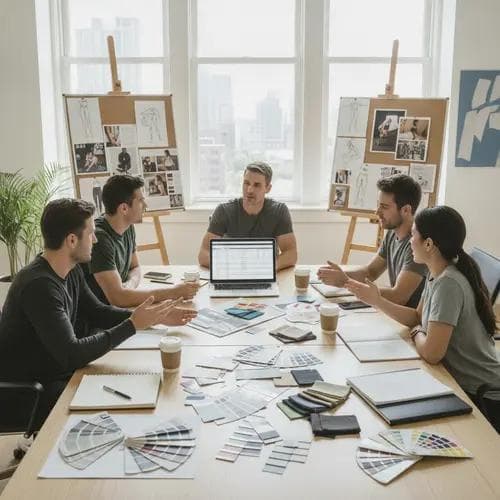
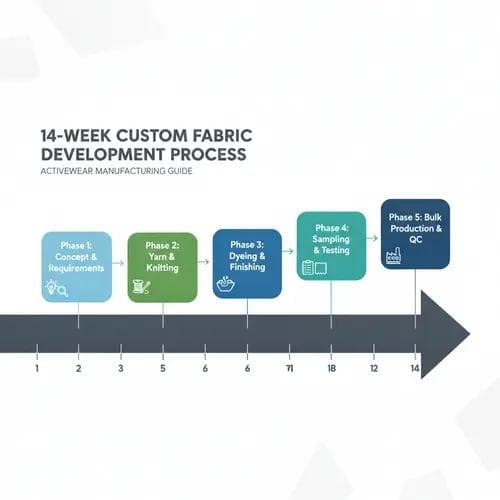
The development journey begins with a clear vision. Whether you are looking for a highly compressive fabric for high-intensity interval training or a lightweight, breathable blend for hot yoga, defining the exact specifications is the foundational step. During this phase, brands work closely with manufacturers to determine:
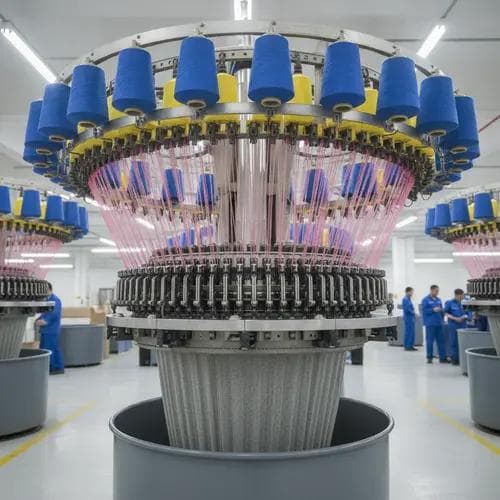
Once the technical specifications are locked in, the manufacturer sources the appropriate raw materials. For premium yoga wear, fine denier nylon and high-stretch elastane are frequently selected for their superior durability and elasticity.
The knitting process then begins, where the yarns are intricately interlaced to create the greige (unfinished) fabric. The specific knitting technique—whether circular knitting or warp knitting—dictates the fabric's ultimate stretchability, density, and structural integrity.
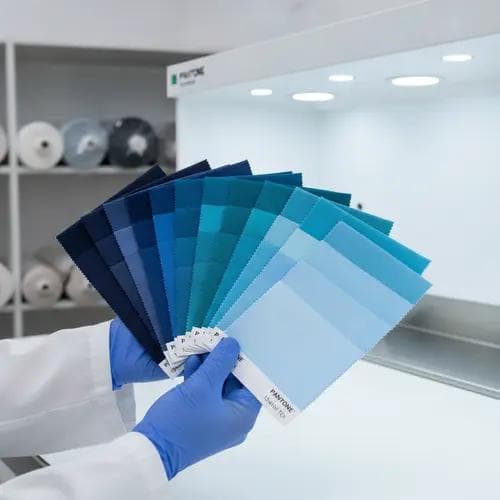
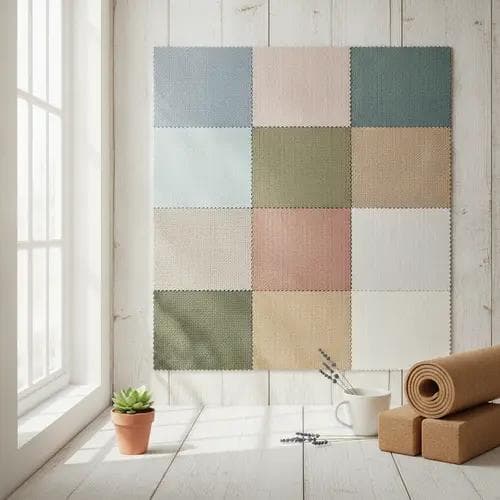
Color accuracy is vital for maintaining brand identity. During this phase, lab dips—small fabric swatches dyed to match your specific Pantone colors—are created for your review and approval.
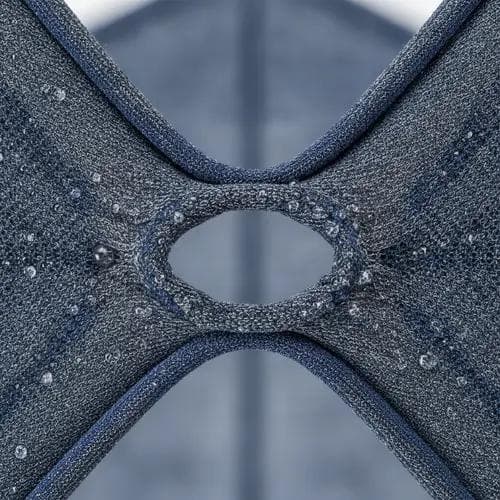
Once the lab dips are approved, the greige fabric undergoes the bulk dyeing process. Following coloration, various finishing treatments are applied to achieve the desired performance characteristics. This might include moisture-wicking chemical coatings, mechanical brushing for a softer touch, or anti-pilling treatments to extend the garment's lifespan.
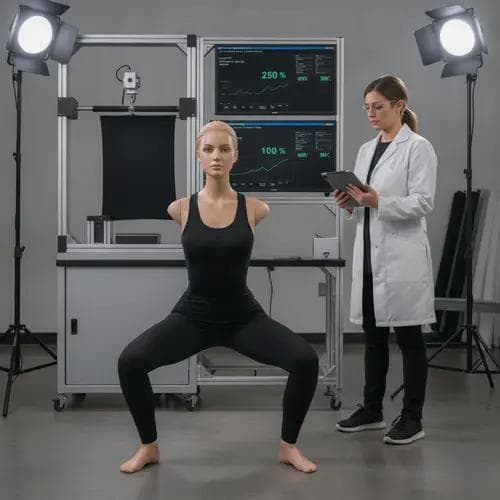
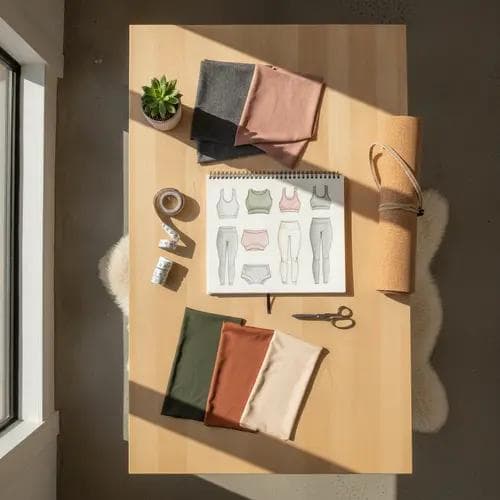
Before committing to a massive production run, a sample yardage is produced. This allows brands to create prototype yoga leggings, sports bras, or tops to test how the fabric drapes, cuts, and sews in real-world scenarios. Rigorous laboratory and physical testing is conducted to ensure the fabric meets all quality standards:
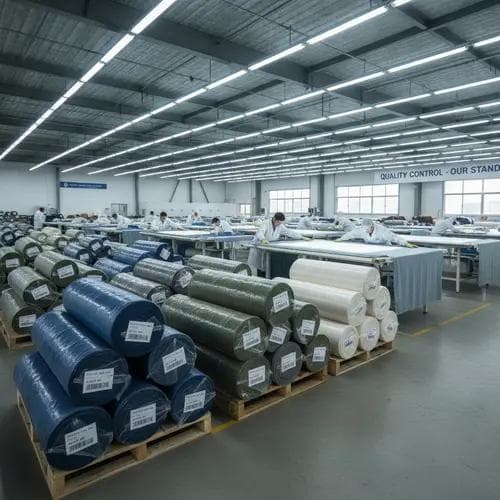
Upon final approval of the sample yardage and physical prototypes, the bulk production batch commences. Advanced knitting and dyeing machinery ensure consistency across thousands of yards of fabric.
Throughout this final phase, strict quality control protocols are implemented. Inspectors check for knitting defects, color variations across different dye lots, and structural integrity. This meticulous oversight ensures that every roll of fabric delivered meets the premium standards required for top-tier yoga apparel.
Are you ready to bring your unique yoga wear concepts to life with custom-engineered fabrics? As a dedicated B2B manufacturing partner specializing in premium activewear, we offer comprehensive OEM and ODM services tailored to your brand's unique needs. From initial custom fabric development to final retail-ready garment production, our expert team is here to support your growth and streamline your supply chain. Whether you are looking to create bespoke buttery-soft leggings, supportive sports bras, or require complete brand cooperation services, we have the technical expertise and production capacity to deliver excellence. Contact us today to discuss your custom yoga wear requirements and discover how our manufacturing solutions can elevate your brand in the competitive activewear market.
Q1: How long does the entire custom fabric development process typically take?A1: Generally, developing a custom fabric from scratch takes about 12 to 14 weeks. This timeline encompasses requirement gathering, yarn sourcing, knitting, lab dips, sampling, testing, and final bulk production. Timelines can vary slightly based on the complexity of the fabric technology and the speed of client approvals.
Q2: What is the Minimum Order Quantity (MOQ) for custom fabric development?A2: MOQs for custom fabrics are usually higher than sourcing in-stock market fabrics because the knitting and dyeing machines require a certain volume to operate efficiently. While it varies by specific material, expect an MOQ of around 500 to 1,000 kilograms per custom fabric, which translates to several thousand garments.
Q3: Can I request eco-friendly or sustainable fabrics for my yoga wear line?A3: Absolutely. We can develop custom fabrics using recycled polyester (RPET), recycled nylon, organic cotton, or incorporate eco-friendly dyeing processes. Sustainable options are increasingly popular in the activewear market and can be perfectly tailored to meet your high-performance requirements.
Q4: How do you ensure the custom fabric is completely squat-proof?A4: Achieving a squat-proof finish involves optimizing the fabric's weight (GSM), the knitting density, and the yarn composition. During the sampling phase, we conduct rigorous multi-directional stretch and opacity tests to ensure the fabric remains completely opaque, providing full coverage even during deep stretches.
Q5: Do you provide full-package (OEM/ODM) services after the fabric is developed?A5: Yes, we provide end-to-end manufacturing solutions. Once your custom fabric is developed and approved, our factory handles the pattern making, cutting, sewing, branding (such as heat transfer logos or embroidery), packaging, and final quality control to deliver finished, ready-to-sell yoga apparel directly to you.
Written by
Dayu
Ready to bring your
yoga brand to life?