When building a successful activewear brand, the foundation of every great product lies in its material. For yoga apparel, fabric is not just a structural element; it is the core of the wearer's experience. The right yoga wear fabric dictates how a garment stretches, breathes, and supports the body through complex movements. As the activewear market continues to expand, brands must prioritize high-quality materials to meet the demanding standards of modern consumers.
This comprehensive guide explores the essential properties of yoga wear fabrics, the most popular materials in the industry, and how to select the perfect textiles to elevate your activewear line.
Before diving into specific materials, it is crucial to understand the performance characteristics that define premium yoga apparel. When sourcing materials for your brand, look for fabrics that excel in the following areas:
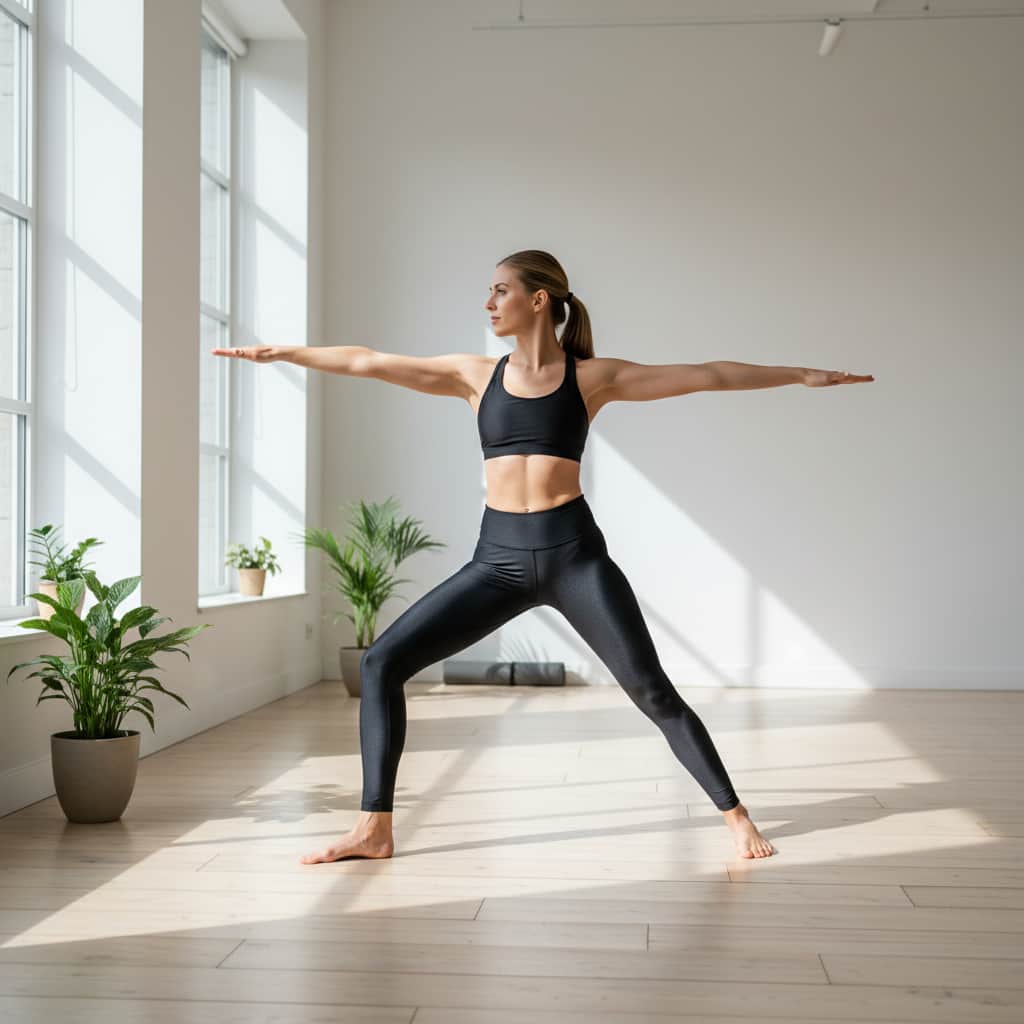
Yoga requires an extensive range of motion. Fabrics must feature a four-way stretch, allowing them to expand crosswise and lengthwise. Equally important is recovery—the fabric's ability to return to its original shape without bagging at the knees or sagging at the waist. High elasticity ensures that the garments move fluidly with the wearer.
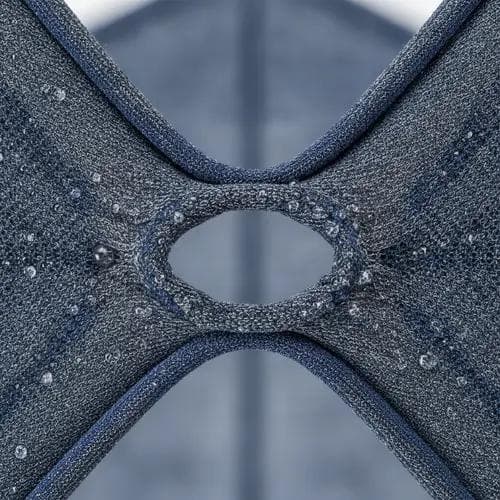
During intense sessions like Bikram or Vinyasa flow, practitioners generate significant heat and sweat. Moisture-wicking fabrics draw perspiration away from the skin to the exterior of the garment, where it can evaporate quickly. Combined with high breathability, these materials keep the wearer cool, dry, and comfortable.
One of the most common complaints in the yoga wear market is sheer leggings. A premium fabric must provide complete opacity, ensuring the garment remains non-see-through even during deep stretches and squats. Fabric weight (GSM) and the density of the knit play a vital role in achieving a squat-proof finish.
Since yoga wear sits directly against the skin, a buttery-soft texture is highly desirable. Materials that reduce friction and prevent chafing enhance the overall sensory experience, making the garments suitable for both athletic performance and casual athleisure wear.
Activewear undergoes frequent washing and rigorous use. High-quality fabrics should resist pilling, fading, and losing their elasticity over time. Durable materials not only extend the lifespan of the garment but also protect your brand's reputation for quality.
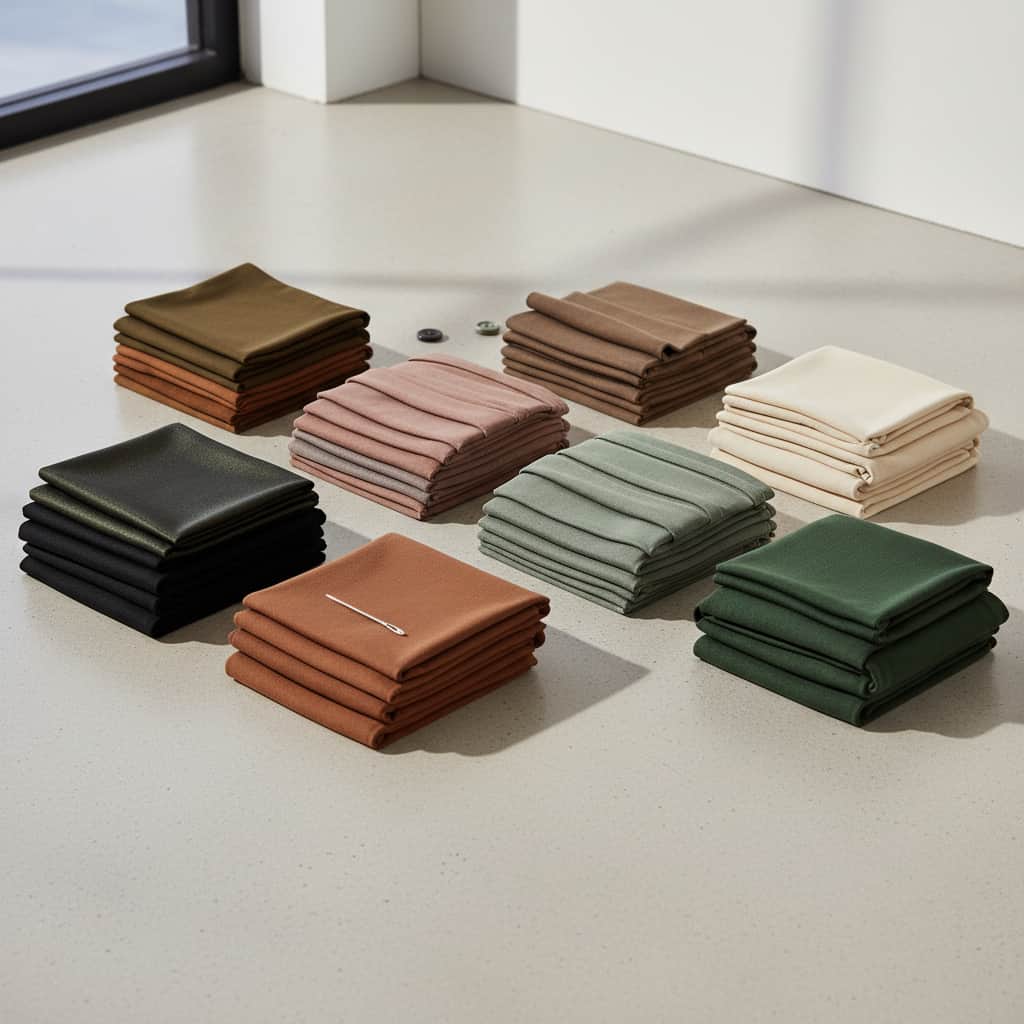
The textile industry offers a variety of synthetic and natural fibers, each with distinct advantages. Here are the top fabric choices for manufacturing premium yoga wear:
Nylon is a powerhouse in the activewear industry. Known for its exceptional durability, silky smooth texture, and excellent moisture-wicking capabilities, nylon is a top choice for high-performance yoga pants and sports bras. It is highly resistant to abrasion and holds vibrant colors well. When blended with elastane, it creates a luxurious, form-fitting garment that feels like a second skin.
Polyester is widely used due to its affordability, durability, and superior moisture management. Modern advancements have made polyester softer and more breathable than ever before. It is particularly effective at resisting wrinkles, shrinking, and fading. For brands looking to offer high-performance gear at a competitive price point, polyester blends are an excellent foundational material.
Spandex is the magic ingredient that gives yoga wear its essential stretch. It is never used on its own but is blended with other fibers (typically between 10% to 25%) to provide elasticity and shape retention. A higher percentage of spandex results in greater compression and support, which is ideal for sculpting leggings and supportive tops.
For brands focusing on sustainability and eco-friendly products, bamboo is an outstanding natural alternative. Bamboo fabric is incredibly soft, naturally antibacterial, and highly breathable. It offers excellent temperature regulation, keeping the wearer cool in summer and warm in winter. While it may not offer the same intense compression as synthetic blends, it is perfect for restorative yoga and loungewear.
While 100% cotton is generally avoided for intense workouts because it absorbs and retains moisture, cotton blended with spandex can be ideal for low-impact activities. Cotton blends offer unparalleled softness and breathability, making them a popular choice for lifestyle activewear and light stretching routines.
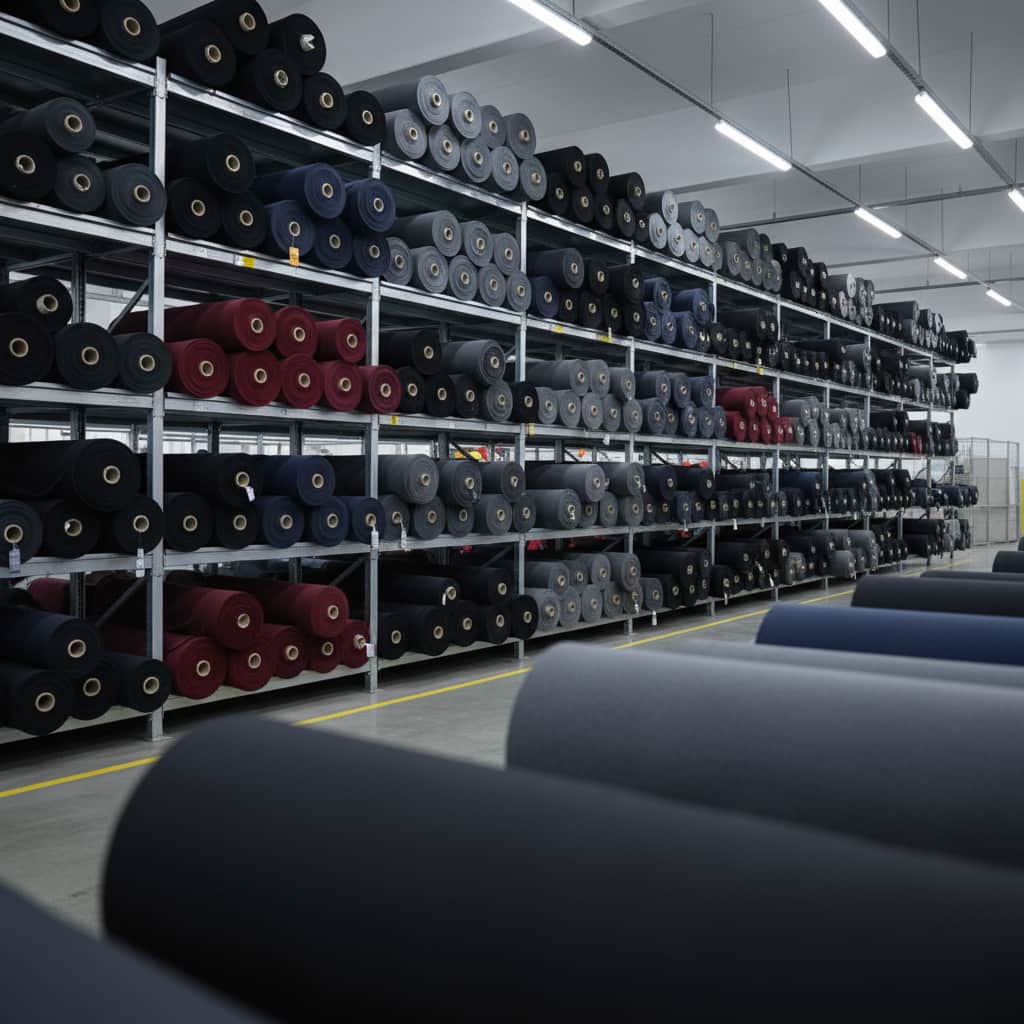
Choosing the right fabric depends entirely on your brand's positioning and target audience. If your focus is on high-intensity, performance-driven gear, investing in premium nylon-spandex blends will yield the best results. For eco-conscious brands, exploring bamboo or recycled polyester can strongly resonate with your customer base.
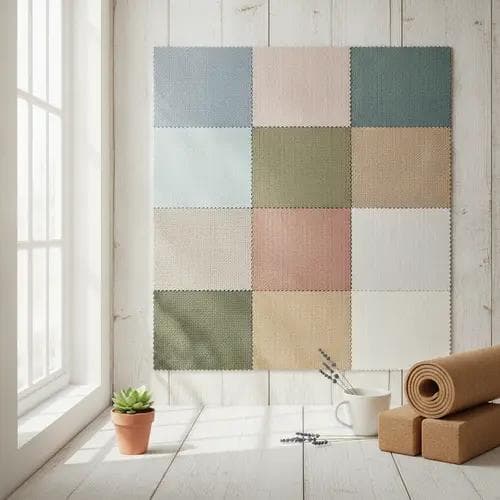
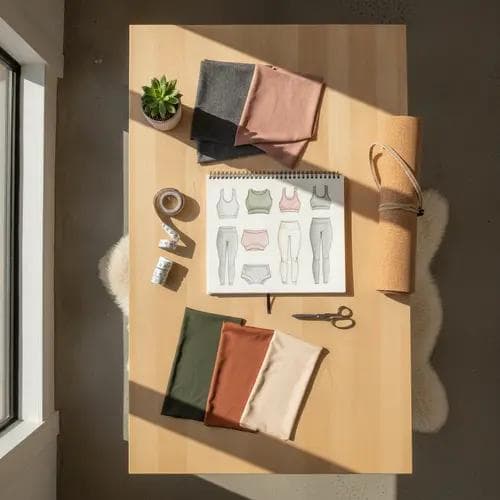
Working closely with an experienced manufacturing partner allows you to test different fabric weights, compositions, and finishes. Requesting fabric swatches and prototyping your designs ensures that the final product aligns perfectly with your brand's quality standards.
Elevate Your Activewear Brand with Premium Manufacturing
Are you looking to launch or scale your yoga wear brand with industry-leading fabrics and impeccable craftsmanship? We specialize in comprehensive B2B services, including custom yoga wear manufacturing, OEM/ODM solutions for yoga equipment, and strategic brand cooperation. From sourcing the perfect moisture-wicking textiles to delivering retail-ready apparel, our expert team is dedicated to bringing your vision to life. Partner with us to create high-performance, stylish yoga wear that your customers will love. Contact us today to discuss your customization needs and request a quote!
1. What is the ideal percentage of Spandex for high-quality yoga leggings? For optimal stretch, support, and shape retention, high-quality yoga leggings typically contain between 15% to 25% Spandex (Elastane). A higher percentage provides a more compressive fit, which is excellent for body sculpting and high-intensity workouts, while a lower percentage offers a more relaxed, second-skin feel.
2. How can I ensure the fabric I choose is completely squat-proof? To guarantee a squat-proof garment, you should select a fabric with a higher GSM (Grams per Square Meter), usually between 220 GSM and 300 GSM, depending on the material. Additionally, choosing an interlock knit construction rather than a single knit helps increase the density and opacity of the fabric, preventing it from becoming sheer when stretched.
3. Do you offer eco-friendly or sustainable fabric options for custom OEM/ODM manufacturing? Yes, we provide a wide range of sustainable fabric options for our B2B clients. Our customized OEM/ODM services include the sourcing and manufacturing of activewear using recycled polyester, eco-friendly bamboo blends, and organic cotton. We can help you build a sustainable product line that aligns with modern environmental standards without compromising on performance.
Written by
Zenlume Studio
Ready to bring your
yoga brand to life?