When launching or scaling an activewear brand, choosing the right material is one of the most critical decisions you will make. The yoga apparel market is highly competitive, and consumers are increasingly discerning about what they wear to the studio, the gym, or even while working from home. They expect yoga clothes to be soft, breathable, stretchy, and durable. For yoga wear brands, understanding the properties of different fabrics is essential to creating products that meet these demands and stand out in the market.
As a brand owner or product developer, partnering with a reliable custom yoga wear manufacturer who understands these materials can significantly impact your product's success. This comprehensive guide explores the 12 most important types of yoga fabrics you should know to elevate your activewear line.
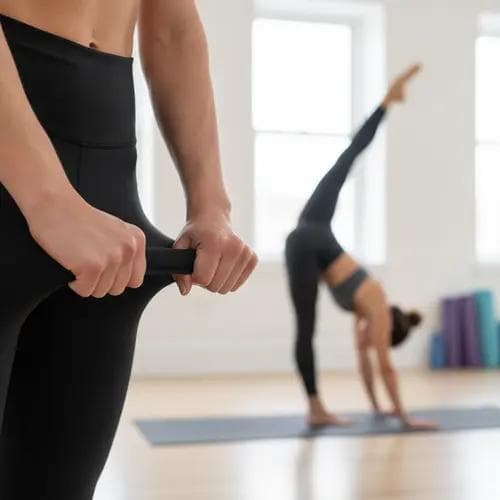
Nylon is a synthetic fiber renowned for its exceptional strength, lightweight nature, and abrasion resistance. In the realm of yoga clothing, nylon is a staple because it provides excellent durability while maintaining a soft, comfortable feel against the skin.
Its high stretchability ensures maximum freedom of movement, making it particularly suitable for high-intensity yoga practices or activewear that must withstand frequent stretching and bending. Furthermore, nylon dries relatively quickly, which helps keep the wearer comfortable during sweaty sessions. For brands looking for reliable, long-lasting performance wear, nylon is a top contender.

Polyester is arguably the most versatile and widely used synthetic fiber in athletic wear. Its primary advantage in yoga clothing lies in its outstanding moisture-wicking capabilities and quick-drying properties. Polyester effectively pulls sweat away from the skin's surface to the exterior of the fabric, where it can evaporate rapidly, keeping the practitioner dry and comfortable.
Additionally, polyester boasts excellent shape retention and durability. It resists shrinking and wrinkling, making it ideal for hot yoga, power yoga, or any high-intensity athletic activity. When blended with other fibers, polyester forms the backbone of many premium activewear collections.

Spandex, also known generically as elastane or by the brand name Lycra, is the secret ingredient that gives yoga pants their signature stretch. Known for its extraordinary elasticity, spandex can stretch significantly and return to its original shape without sagging.
In yoga apparel, spandex is rarely used alone; instead, it is blended with other fibers like nylon, polyester, or cotton (typically in a 5% to 15% ratio) to add body-hugging fit and flexibility. This ensures the garment moves seamlessly with every curve of the body, providing essential support and comfort whether during a calm meditation session or a dynamic Vinyasa flow.

As sustainability becomes a priority for consumers, bamboo fiber is rapidly gaining popularity in the yoga community. Bamboo fabric is incredibly soft, often compared to the feel of silk or cashmere, and offers exceptional breathability.
Beyond comfort, bamboo has natural antibacterial and moisture-wicking properties, making it an excellent choice for hot yoga or practitioners who prioritize hygiene and eco-friendly materials. Its skin-friendly nature ensures a comfortable wearing experience, especially for long-term practice and meditation. For premium brands targeting the eco-conscious market, bamboo is a highly attractive option.
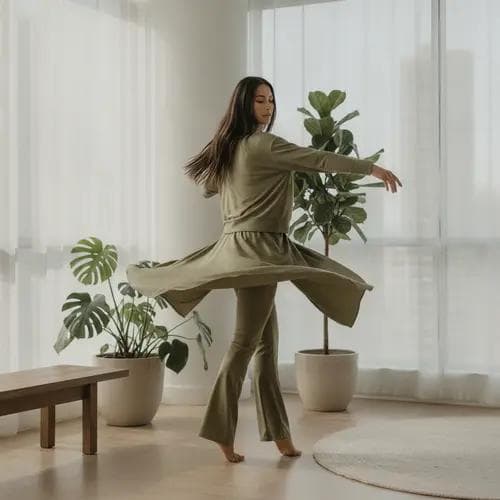
Tencel™, a branded form of lyocell, is produced from natural wood pulp through a closed-loop manufacturing process, making it a highly sustainable choice. However, consumers are primarily drawn to Tencel for its luxurious, silky softness and elegant drape.
Tencel offers a natural cooling touch and smooth texture, making it an ideal material for hot weather yoga practices or elevated lifestyle collections. Its strength and absorbency also make it suitable for dynamic yoga styles. Many premium brands utilize Tencel for flared leggings, lounge sets, and relaxed activewear that transitions seamlessly from the studio to everyday life.
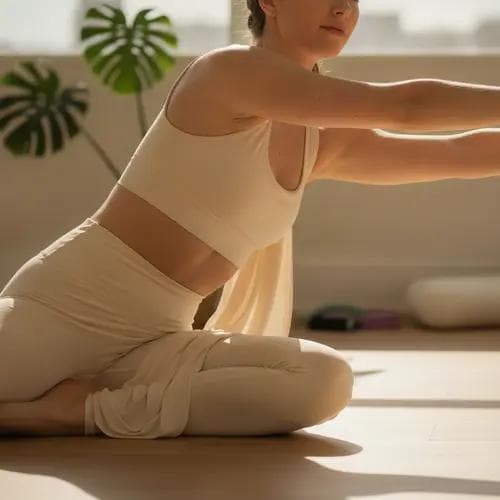
Modal is a type of rayon made from beech tree pulp, favored for its exceptional softness and skin-friendly feel. It is often described as feeling like a "second skin." Modal provides a lightweight structure, stretch comfort, and a smooth surface texture.
Unlike heavily compressive activewear, Modal allows clothing to move naturally with the body. It has good moisture-wicking capabilities, making it ideal for lightweight, comfortable yoga wear. Its resistance to shrinking and fading makes it perfect for Pilates, wellness aesthetics, and brands focused on minimal luxury and slow living.
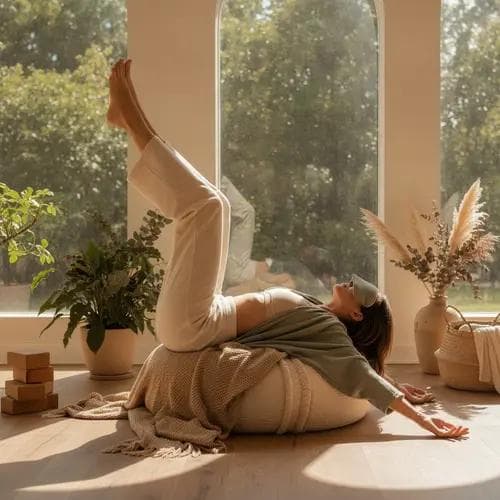
For consumers seeking a return to simplicity and natural materials, organic cotton is a highly sought-after option. Grown without harmful chemicals or pesticides, organic cotton is environmentally friendly and ideal for sensitive skin.
Organic cotton is softer and more breathable than conventional cotton, offering natural comfort and a relaxed lifestyle aesthetic. While it may not provide the high-performance moisture-wicking of synthetics, it is perfect for gentle yoga, restorative practices, maternity activewear, and everyday basics. Wellness-focused brands often feature organic cotton to align with their natural, non-toxic values.
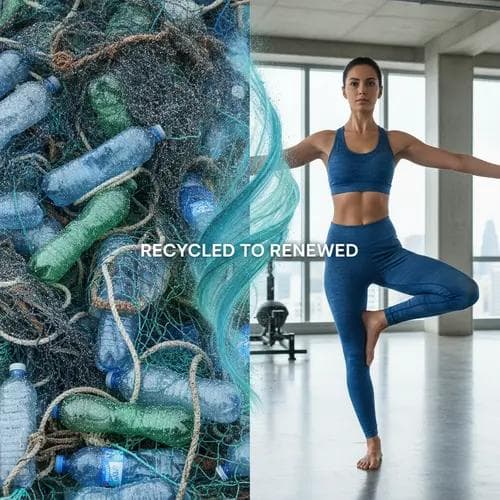
Recycled performance fabrics are quickly becoming a baseline expectation for premium activewear brands. Made from post-consumer plastic bottles or discarded fishing nets, recycled polyester and recycled nylon offer the same high-performance benefits—durability, moisture-wicking, and stretch—as their virgin counterparts but with a significantly lower environmental impact.
Consumers today demand sustainability without compromising on performance. Offering collections made from Global Recycled Standard (GRS) certified recycled fabrics is a powerful way for brands to demonstrate environmental responsibility while delivering top-tier athletic wear.
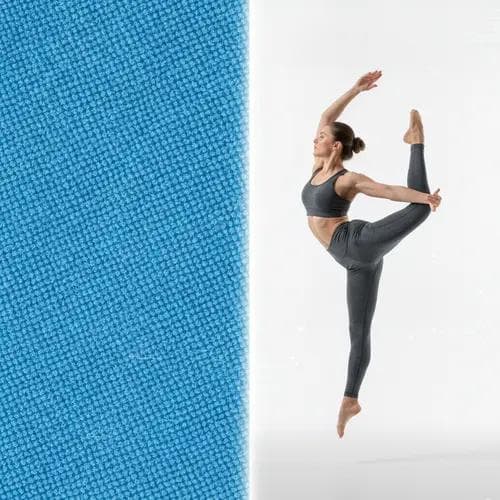
Microfiber is a synthetic material made from extremely fine fibers, typically a blend of polyester and polyamide (nylon). The ultra-fine threads create a fabric that is incredibly soft, lightweight, and highly absorbent.
Yoga clothing made from microfiber boasts excellent durability and quick-drying properties. Its tight weave also offers good wind resistance and shape retention. This makes microfiber an excellent choice for dynamic, sweaty yoga practices where lightweight comfort and rapid moisture management are essential.

Hemp is one of the most durable and environmentally friendly natural fibers available. It requires very little water to grow and naturally enriches the soil. In activewear, hemp is valued for its natural breathability, moisture absorption, and UV resistance.
Hemp fabric becomes softer with each wash while maintaining its robust strength. Hemp yoga apparel is perfect for hot summer days or heated studio sessions. It appeals strongly to yoga practitioners and brands looking for deeply sustainable, long-lasting fashion options.
While wool might not be the first fabric that comes to mind for activewear, fine wool (like Merino) and wool blends are exceptional for yoga. Wool is a natural fiber known for its outstanding thermal regulation and breathability.
When practicing yoga in cooler environments or outdoors, wool blends provide necessary warmth without causing overheating. Furthermore, wool possesses natural antimicrobial properties that naturally resist odors. Wool blends combine these thermal benefits with the durability and elasticity of synthetic fibers, creating a lightweight, breathable, and odor-resistant garment.

Supplex® is a patented performance fabric created by INVISTA. It was engineered to offer the soft, supple feel of cotton while retaining the advanced performance benefits of modern fiber technology.
Supplex is highly breathable, holds its shape well, dries quickly, and retains its vibrant color wash after wash. It provides the comfort and aesthetic of cotton but with the durability, stretch, and moisture-wicking capabilities required for intense yoga sessions. This makes it an excellent choice for brands wanting to offer high-performance wear with a classic, natural feel.
Choosing the right fabric is just the first step in creating a successful yoga wear line. To bring your vision to life, you need a manufacturing partner who understands the nuances of these materials and can deliver impeccable quality.
Whether you are an emerging startup or an established brand looking to scale, our comprehensive OEM and ODM services provide everything you need. From sourcing premium, sustainable fabrics to custom dyeing, precision cutting, and private label manufacturing, we are dedicated to helping your brand succeed.
Ready to create your next best-selling yoga collection? Contact us today to discuss your custom yoga wear needs, request fabric swatches, and discover how our expert manufacturing solutions can elevate your brand.
Q1: What is the best fabric for hot yoga?For hot yoga, you need fabrics that excel in moisture-wicking and breathability. Synthetic blends like polyester and nylon mixed with spandex are excellent choices. Additionally, natural options like bamboo fiber are highly recommended due to their natural antibacterial properties and exceptional moisture absorption.
Q2: Are natural fabrics better than synthetic fabrics for yoga wear?It depends on the type of yoga and consumer preference. Synthetic fabrics (polyester, nylon) offer superior stretch, durability, and moisture-wicking for high-intensity workouts. Natural fabrics (organic cotton, bamboo, modal) offer unparalleled softness, breathability, and skin-friendly comfort, making them ideal for gentle yoga, Pilates, and lifestyle wear.
Q3: How much spandex should yoga pants have?Most high-quality yoga pants contain between 10% to 20% spandex (elastane). This ratio provides the perfect balance of four-way stretch for unrestricted movement and excellent shape retention, ensuring the pants don't become baggy after wear.
Q4: Can I request custom eco-friendly fabrics for my brand?Absolutely. As a dedicated OEM/ODM manufacturer, we offer a wide range of sustainable fabric options, including GRS-certified recycled polyester, recycled nylon, organic cotton, and bamboo blends. We can source and develop custom fabrics that align perfectly with your brand's sustainability goals.
Q5: What is the difference between OEM and ODM in yoga wear manufacturing?OEM (Original Equipment Manufacturer) means we manufacture products based entirely on your specific designs, tech packs, and fabric choices. ODM (Original Design Manufacturer) means we offer our own pre-designed, high-quality styles that you can customize with your brand's logo, colors, and specific fabric preferences, allowing for a faster time to market.
Written by
Dayu
Ready to bring your
yoga brand to life?