Yoga Apparel Dyeing: Environmental Impact & Supplier Guide
June 3, 2026Zenlume Studio
The global activewear market has experienced unprecedented growth, with yoga apparel leading the charge. Consumers are increasingly seeking comfortable, flexible, and aesthetically pleasing garments. However, behind the vibrant colors of premium yoga pants and sports bras lies a complex and often overlooked environmental issue: the fabric dyeing process. For B2B buyers, brand owners, and wholesalers in the yoga apparel industry, understanding the hidden costs of conventional dyeing and knowing how to select responsible suppliers is no longer just a matter of corporate social responsibility—it is a critical business strategy.
The textile industry is one of the largest contributors to global pollution, and the dyeing process is a primary culprit. The environmental toll of transforming raw materials into brightly colored yoga wear is substantial and multifaceted.
Fabric dyeing is an incredibly water-intensive process. It is estimated that the textile industry uses trillions of gallons of water annually, primarily for dyeing and finishing garments. In some regions, producing just one kilogram of dyed textile can consume up to 164 liters of water.
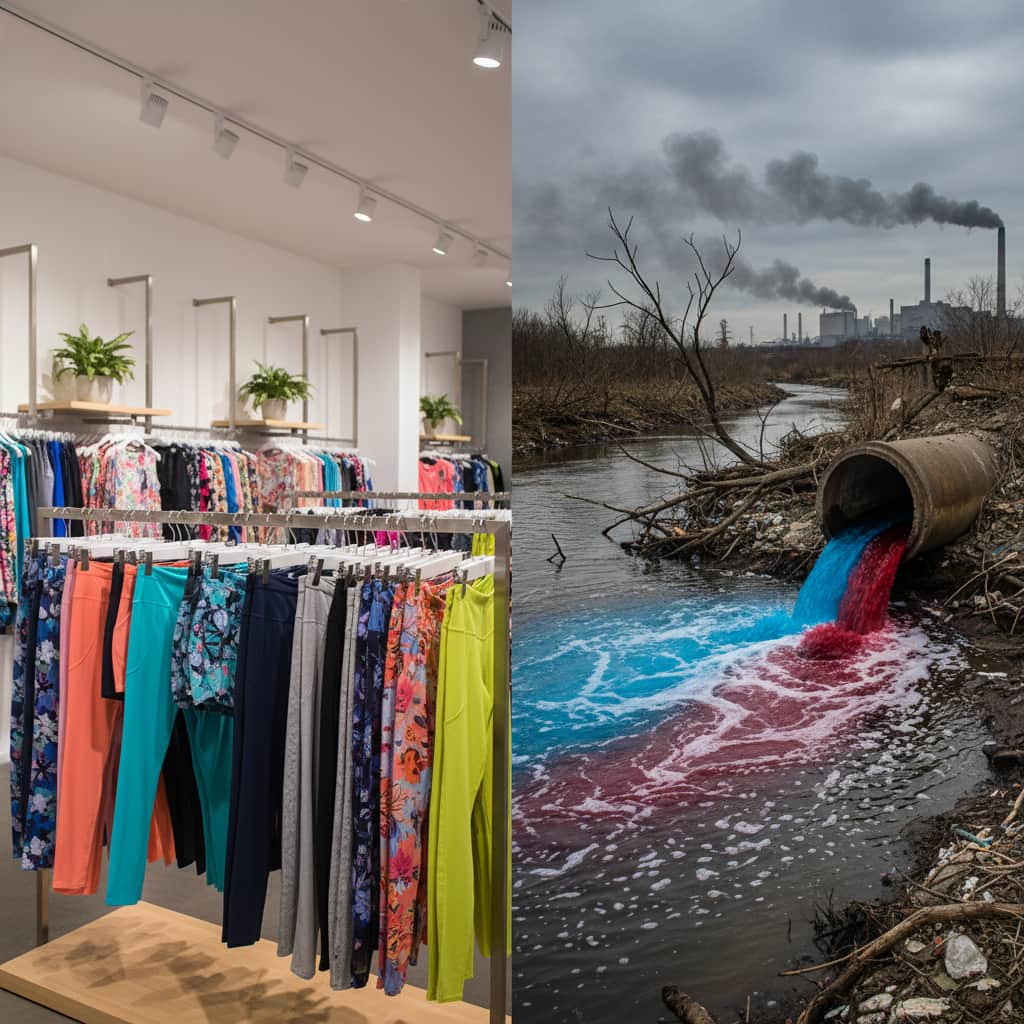
More alarmingly, the dyeing process is responsible for approximately 20% of global industrial water pollution. Conventional dyeing facilities often discharge untreated or inadequately treated wastewater directly into local rivers and streams. This effluent contains a toxic cocktail of residual dyes, heavy metals, and harmful chemicals. The resulting pollution compromises the aesthetic quality of water bodies, drastically increases biochemical and chemical oxygen demand (BOD and COD), and severely impairs aquatic ecosystems.
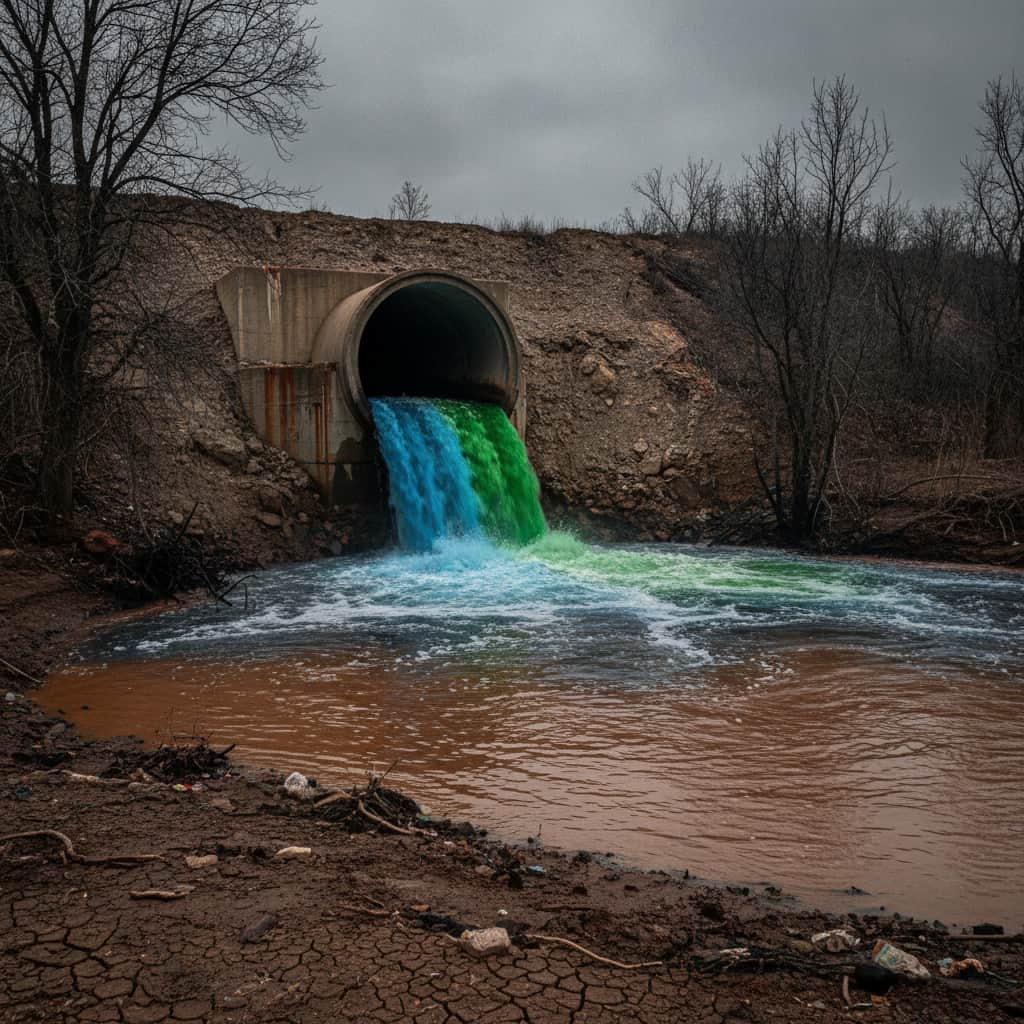
The reliance on synthetic dyestuffs introduces significant chemical hazards. Many conventional dyes, particularly azo dyes, are widely used for their vibrant and long-lasting colors. However, inefficient dyeing processes mean that 15% to 50% of these dyes do not bind to the fabric and are released into wastewater.
These chemicals are not only detrimental to the environment but also pose severe health risks. Prolonged exposure to toxic runoff can contaminate groundwater, affecting local communities' access to clean drinking water. Furthermore, textile workers exposed to high concentrations of azo dyes and their breakdown products, such as aromatic amines, face increased risks of respiratory problems, skin conditions, and even certain types of cancer.
As awareness of these environmental and health impacts grows, the textile industry is exploring and adopting more sustainable dyeing methods. For yoga apparel brands aiming to reduce their ecological footprint, these innovations offer viable alternatives.
Low-impact dyes are synthetic dyes that require less water, lower temperatures, and fewer auxiliary chemicals compared to conventional options. They have a higher absorption rate, meaning less dye is washed out into the effluent. Natural dyes, derived from plants, minerals, and other organic sources, are also gaining traction. While they present challenges in terms of scalability and color consistency, advancements in enzyme treatments and nanotechnology are improving their viability for commercial production.
Innovative technologies are revolutionizing how fabrics are colored. Cold pad-batch (CPB) dyeing is a more eco-friendly method for cotton and cellulosic fibers, significantly reducing water and energy consumption. Other emerging techniques include waterless dyeing systems that use supercritical carbon dioxide instead of water to dissolve and transport dyes into the fabric. Additionally, pretreatment technologies that modify the fabric's structure can drastically reduce the time, water, and chemicals required for dyeing.

For B2B buyers and brand owners, sourcing sustainable yoga apparel requires a rigorous supplier selection process. Partnering with the right Original Equipment Manufacturer (OEM) or Original Design Manufacturer (ODM) is essential to ensure that your products align with environmental standards and consumer expectations.
When evaluating potential manufacturing partners, several critical factors must be considered:
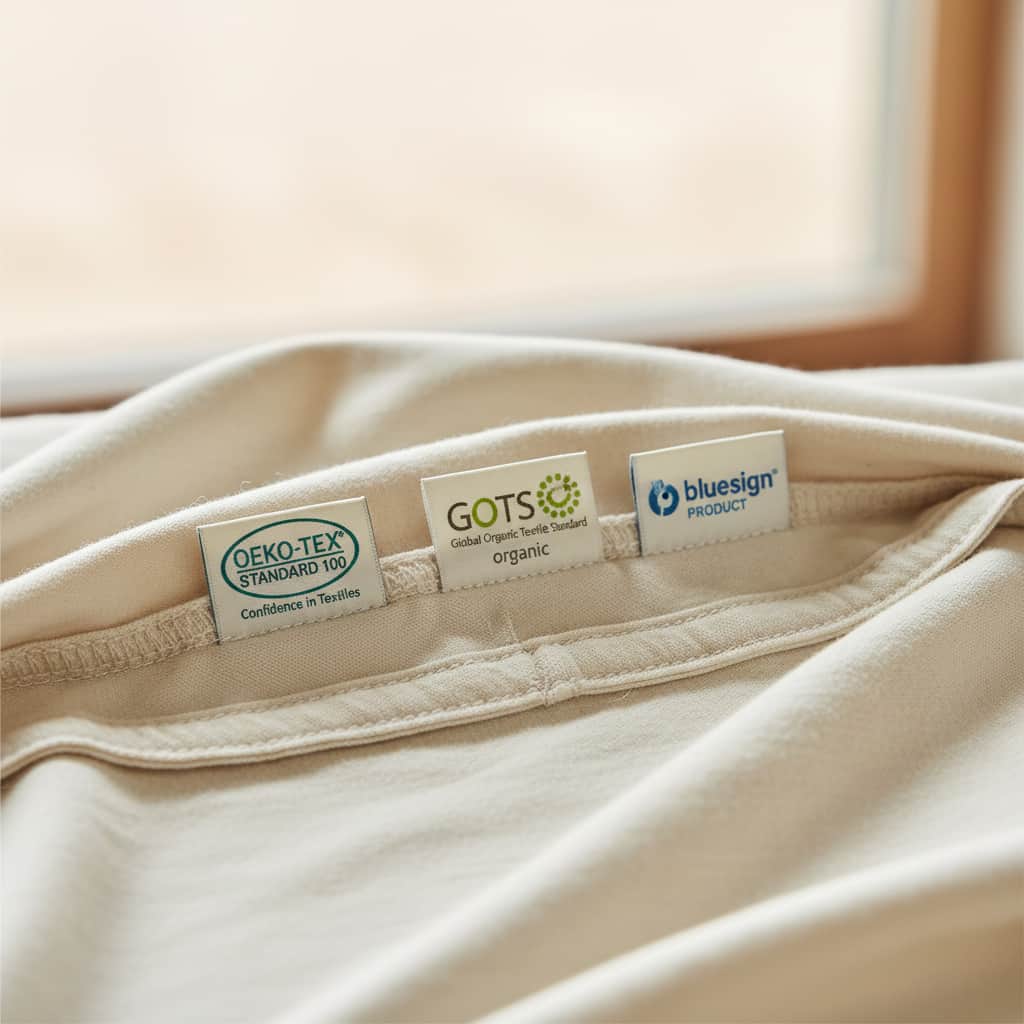
Certifications provide independent verification of a supplier's environmental and safety claims. When sourcing yoga wear, look for manufacturers holding recognized industry standards:
The shift towards sustainable fashion is accelerating, and consumers are increasingly scrutinizing the origins of their activewear. By understanding the hidden costs of fabric dyeing and implementing stringent supplier selection criteria, your brand can lead the way in environmental responsibility while delivering high-quality, vibrant yoga apparel.
Are you looking to build or scale a sustainable yoga apparel brand? We specialize in premium OEM/ODM services for yoga wear and accessories. From eco-friendly fabric selection and low-impact dyeing to precision manufacturing, we provide end-to-end B2B solutions tailored to your brand's unique vision. Partner with us to create high-performance, environmentally responsible activewear that resonates with today's conscious consumers. Contact our team today to discuss your custom manufacturing needs and brand collaboration opportunities.
1. Why is the fabric dyeing process so harmful to the environment? Conventional fabric dyeing is highly water-intensive and relies on toxic synthetic chemicals. It generates massive amounts of wastewater containing unfixed dyes, heavy metals, and harmful compounds. If discharged without proper treatment, this effluent severely pollutes local waterways, harming aquatic life and contaminating groundwater.
2. What are the benefits of choosing OEKO-TEX® or GOTS certified yoga apparel? Choosing certified apparel ensures that the products meet strict safety and environmental standards. OEKO-TEX® STANDARD 100 guarantees the garment is free from harmful substances, making it safe for skin contact during intense yoga sessions. GOTS certification ensures the use of organic fibers and mandates environmentally and socially responsible manufacturing processes, including safe dyeing practices.
3. How can B2B buyers verify if a manufacturer truly uses sustainable dyeing methods? B2B buyers should request detailed information about the supplier's wastewater treatment facilities, chemical management policies, and specific dyeing technologies. Additionally, asking for valid, third-party certifications like bluesign®, GOTS, or OEKO-TEX® is a reliable way to verify their claims. Conducting factory audits or partnering with transparent OEM/ODM services can further ensure compliance with sustainability goals.
Written by
Zenlume Studio
Ready to bring your
yoga brand to life?