Yoga Wear Fabric Sourcing: Asia vs Europe vs Americas
June 3, 2026Zenlume Studio
The global activewear market has experienced unprecedented growth, with yoga apparel emerging as a dominant sector driven by the rising popularity of wellness lifestyles and athleisure trends. For activewear brands, selecting the right manufacturing partner and sourcing destination is no longer just about cost; it is a strategic decision that impacts product quality, brand positioning, and supply chain resilience. The fabric is the soul of yoga wear, dictating its stretch, breathability, comfort, and durability.
When evaluating where to source yoga wear fabrics and manufacturing services, brands typically look toward three major regions: Asia, Europe, and the Americas. Each region offers distinct advantages and caters to different business models and brand values. This comprehensive guide compares these three major sourcing hubs to help yoga apparel brands make informed decisions that align with their specific needs.
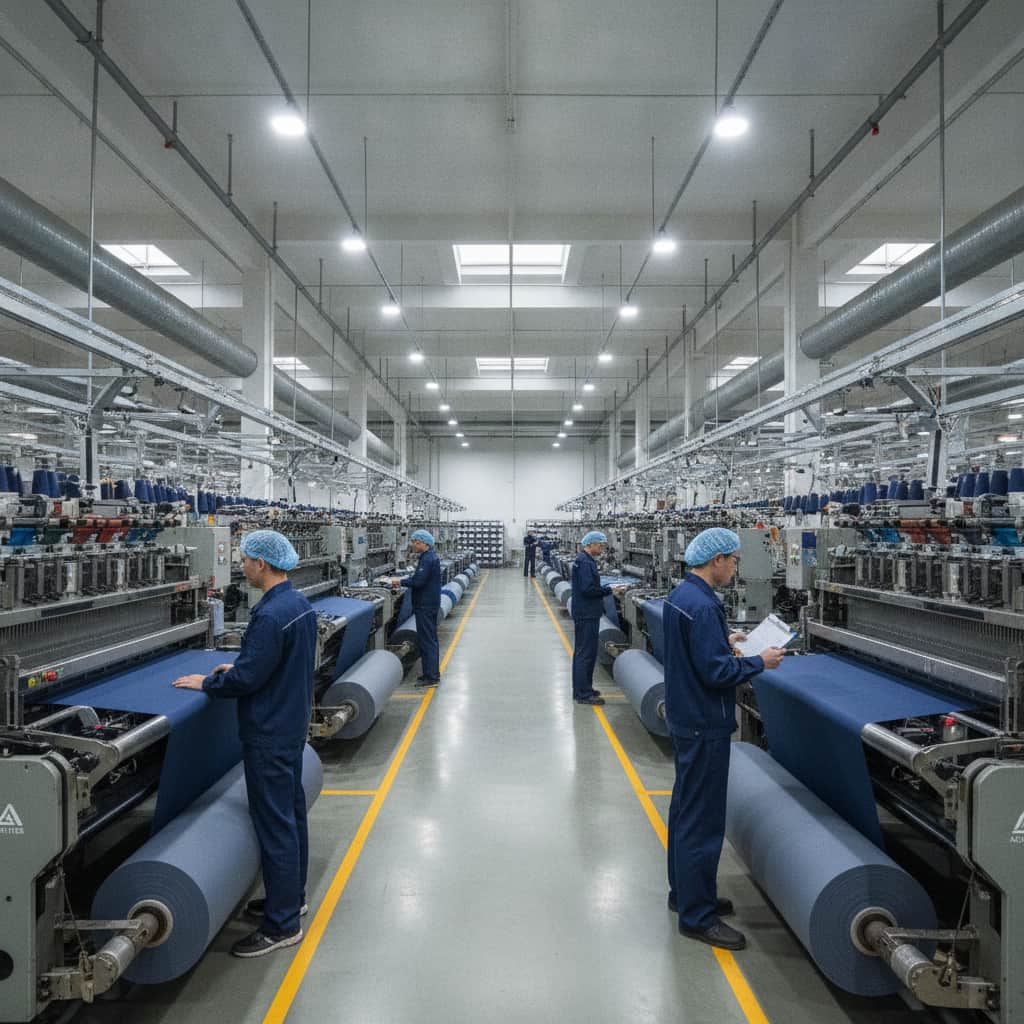
Asia, particularly countries like China and Vietnam, remains the undisputed powerhouse of global textile and apparel manufacturing. The region has built an incredibly mature and comprehensive supply chain over decades, making it the go-to destination for the majority of global activewear brands, from emerging startups to industry giants.
The primary advantage of sourcing in Asia is the unparalleled scale and vertical integration of the supply chain. In manufacturing hubs across China, brands can find everything from raw material spinning and fabric knitting to dyeing, printing, and final garment assembly within a tight geographic radius. This integration significantly reduces lead times for raw material procurement and allows for rapid prototyping and mass production.
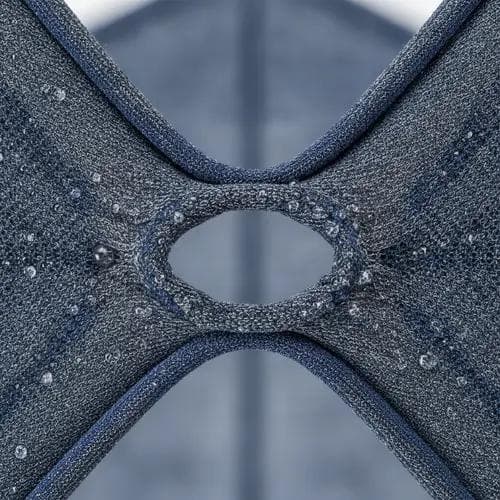
Asian manufacturers excel in producing high-performance synthetic fabrics essential for yoga wear, such as advanced nylon-spandex and polyester-spandex blends. They possess the technical capabilities to engineer fabrics with specific functional properties, including four-way stretch, moisture-wicking, anti-bacterial treatments, and seamless construction. The cost-effectiveness of Asian manufacturing is another critical factor. While labor costs in some parts of Asia have risen, the overall production cost remains highly competitive due to economies of scale, advanced automation, and efficient logistics networks.
For brands looking to scale quickly, develop technically complex garments, or maintain highly competitive retail pricing, Asia offers an unmatched combination of capacity, technical expertise, and cost efficiency.
Europe, led by countries with rich textile heritage like Italy and Portugal, occupies a unique position in the global apparel supply chain. While it cannot compete with Asia on volume or base cost, Europe has carved out a highly profitable niche focused on premium quality, sustainable practices, and cutting-edge fabric innovation.
European textile mills are globally renowned for producing luxurious, high-end activewear fabrics. They excel in creating materials that offer superior hand-feel, exceptional durability, and sophisticated aesthetic finishes. For premium and luxury yoga wear brands, the "Made in Europe" label carries significant prestige and consumer trust, justifying higher price points.
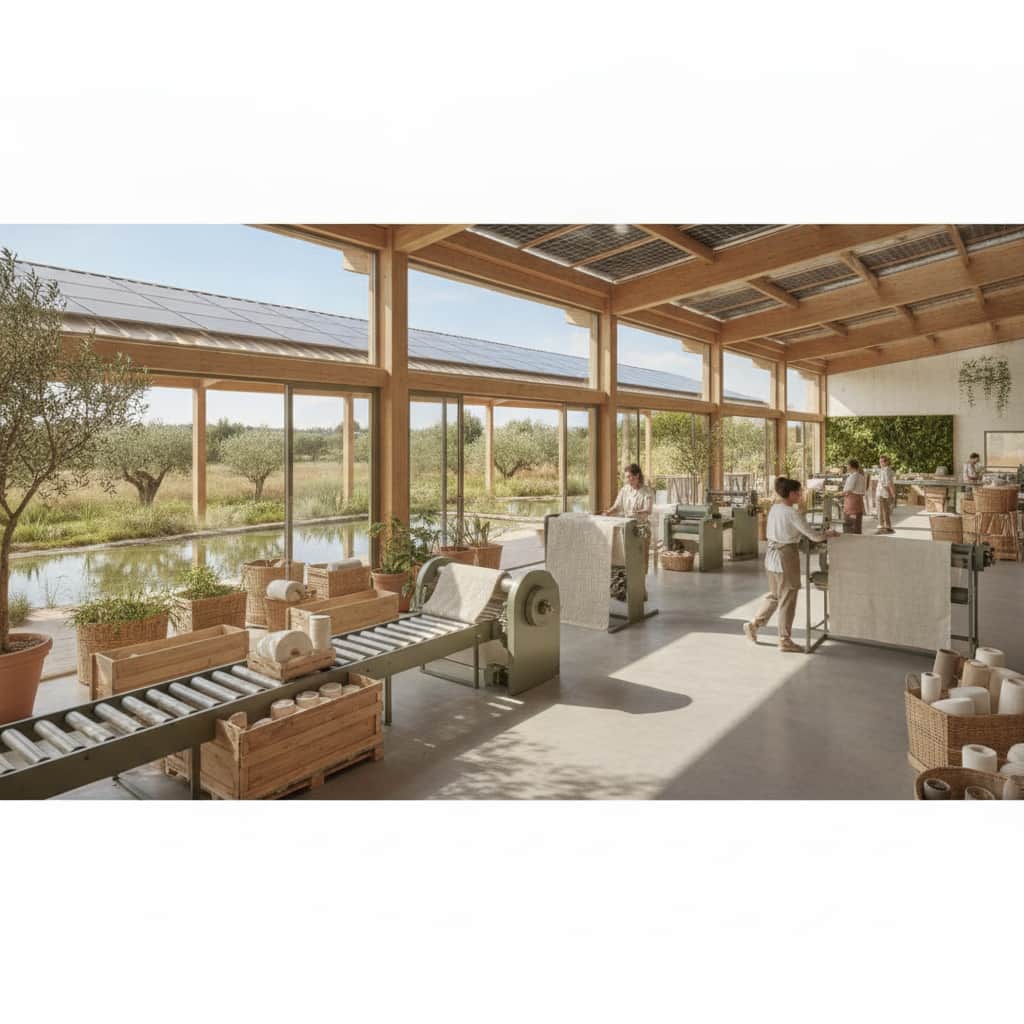
Furthermore, Europe is at the forefront of sustainable textile manufacturing. The region operates under stringent environmental regulations and labor laws, ensuring a high baseline of ethical production. European suppliers are often pioneers in developing eco-friendly materials, such as recycled polyamides (like ECONYL®), organic cottons, and bio-based synthetics. They are also highly reliable partners for brands requiring strict certifications like OEKO-TEX® Standard 100, Global Organic Textile Standard (GOTS), and bluesign®.
Sourcing in Europe is ideal for premium brands targeting eco-conscious consumers, prioritizing ethical manufacturing transparency, and seeking exclusive, innovative fabric technologies.
The Americas, particularly Latin American countries like Peru, Colombia, and Mexico, have gained significant traction as sourcing destinations, driven by the growing trend of nearshoring among North American brands. The disruptions in global supply chains in recent years have highlighted the risks of over-reliance on distant manufacturing hubs, prompting brands to seek suppliers closer to their primary consumer markets.
The most compelling advantage of sourcing in the Americas for US and Canadian brands is geographic proximity. Shorter transit times mean faster speed-to-market, allowing brands to respond more agilely to changing consumer trends and manage inventory more efficiently. This proximity also facilitates easier factory visits and closer collaboration between brand design teams and manufacturing partners.
Latin America boasts strong capabilities in specific textile categories. Peru, for instance, is famous for its high-quality Pima cotton and alpaca fibers, while Colombia has developed a robust industry for performance activewear fabrics, including those with UV protection and moisture management properties. Additionally, free trade agreements, such as the USMCA (United States-Mexico-Canada Agreement) and CAFTA-DR (Dominican Republic-Central America Free Trade Agreement), offer significant duty-free advantages for garments manufactured in these regions using qualifying regional yarns and fabrics.
For North American brands prioritizing speed-to-market, lower inventory risks, and tariff advantages, the Americas provide a strategic nearshoring alternative with growing technical capabilities.
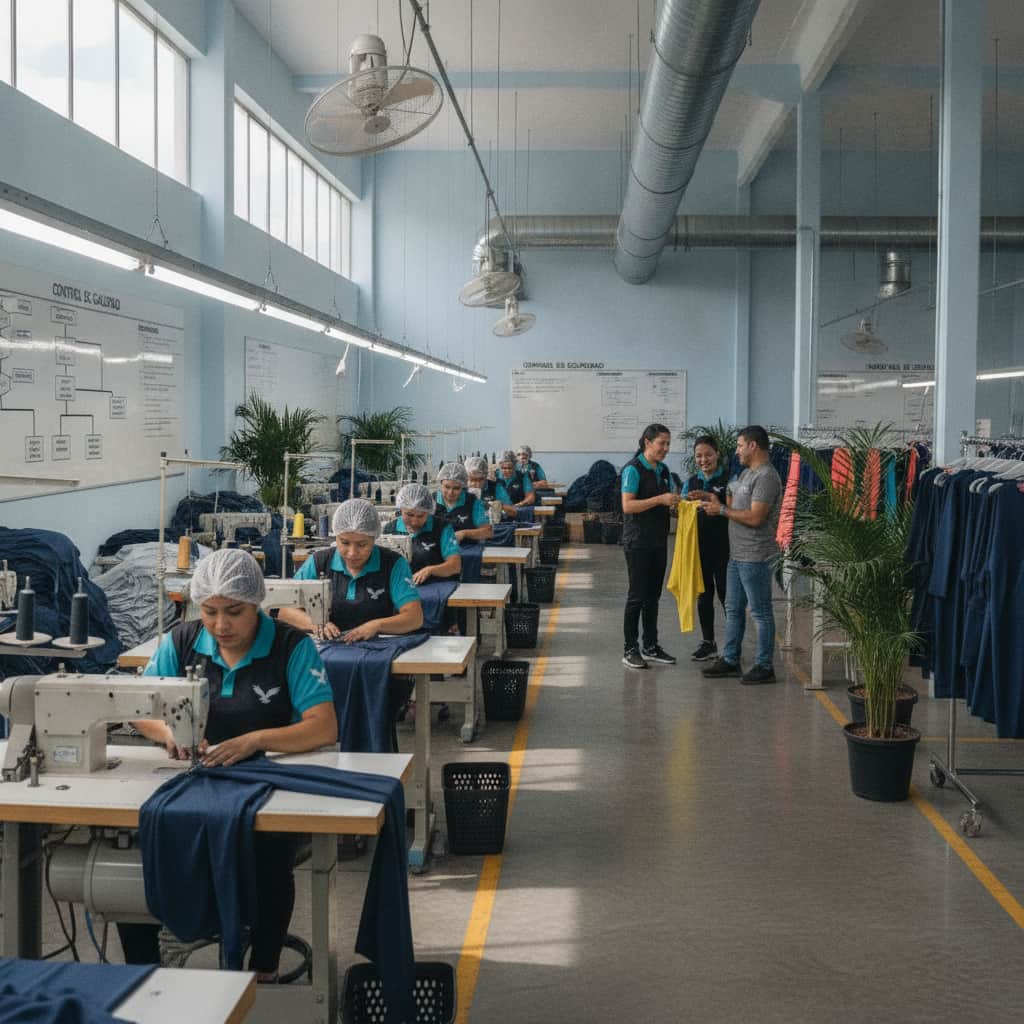
To simplify the decision-making process, the following table summarizes the key characteristics of each sourcing region:
The choice between Asia, Europe, and the Americas ultimately depends on a brand's specific priorities, target market, and business model. Brands must weigh the trade-offs between cost, speed, sustainability, and technical requirements to build a resilient and competitive supply chain.
Ready to Elevate Your Yoga Wear Brand?
Finding the perfect fabric and a reliable manufacturing partner is the foundation of a successful activewear brand. Whether you are an emerging label looking to launch your first collection or an established brand seeking to optimize your supply chain, we are here to help.
We specialize in providing comprehensive B2B services for yoga wear and activewear brands. From premium fabric sourcing and custom design development to full-scale OEM and ODM manufacturing, we deliver tailored solutions that meet your exact specifications. Partner with us to leverage our deep industry expertise, strict quality control, and flexible production capabilities.
Contact us today to discuss your custom yoga wear project, request fabric swatches, or explore our OEM/ODM and brand collaboration services.
1. What is the most important fabric characteristic to look for when sourcing for yoga wear? The most critical characteristic is four-way stretch combined with excellent recovery. Yoga requires a wide range of motion, so the fabric must stretch comfortably in all directions without losing its shape or sagging over time. A high percentage of quality spandex or elastane (typically 15-30%) blended with nylon or polyester is essential for achieving this performance.
2. Is it more cost-effective to source custom yoga wear from Asia or Latin America? Generally, Asia (particularly China and Vietnam) remains the most cost-effective region for manufacturing technical yoga wear due to massive economies of scale and highly integrated supply chains. However, for North American brands, Latin America can sometimes be competitive when factoring in the savings from duty-free agreements (like CAFTA-DR) and significantly lower shipping costs and transit times. The total landed cost must be calculated on a case-by-case basis.
3. How can I ensure the yoga fabrics I source are environmentally friendly? To ensure sustainability, look for manufacturers that can provide recognized certifications for their fabrics. Key certifications include OEKO-TEX® Standard 100 (ensuring the fabric is free from harmful chemicals), Global Recycled Standard (GRS) for recycled polyesters and nylons, and bluesign® (which monitors the environmental impact of the entire manufacturing process). Partnering with suppliers who are transparent about their supply chain and environmental practices is crucial.
Written by
Zenlume Studio
Ready to bring your
yoga brand to life?