In today’s competitive activewear market, consumers are no longer just buying products; they are investing in values. As environmental awareness grows, sustainability has transitioned from a niche selling point to a core business requirement. For activewear brands, particularly those in the yoga apparel sector, integrating eco-friendly practices is only half the battle. The other half lies in effectively communicating these eco-values to your audience. This is where sustainable brand messaging intersects with thoughtful product design.
When a brand successfully aligns its product design with its messaging, it builds trust, fosters brand loyalty, and stands out in a crowded marketplace. This article explores how you can weave your commitment to sustainability into the very fabric of your product design and ensure your brand messaging resonates with your target audience.
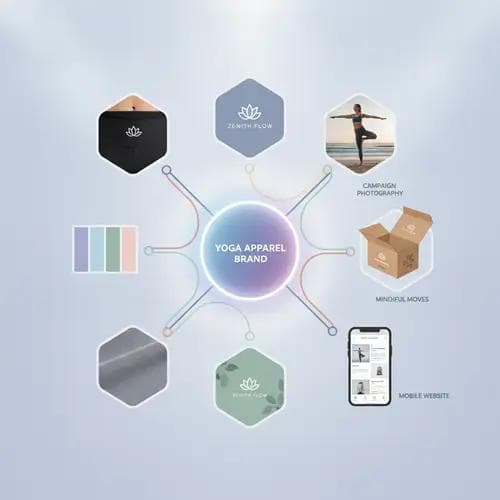
Product design is the most tangible expression of your brand’s values. In the realm of yoga and activewear, every design choice—from the selection of fabrics to the placement of seams—tells a story. Sustainable brand messaging is not merely about writing eco-friendly slogans on tags; it is about ensuring that the product itself embodies those claims.
When your product design inherently reflects eco-values, your marketing messaging becomes authentic and verifiable. Consumers are increasingly adept at spotting "greenwashing"—the practice of making misleading or unsubstantiated claims about the environmental benefits of a product. By embedding sustainability into the design process, you create a narrative that is both compelling and true.
The most direct way to communicate sustainability through product design is through material selection. The fabrics you choose serve as the foundation of your eco-messaging.
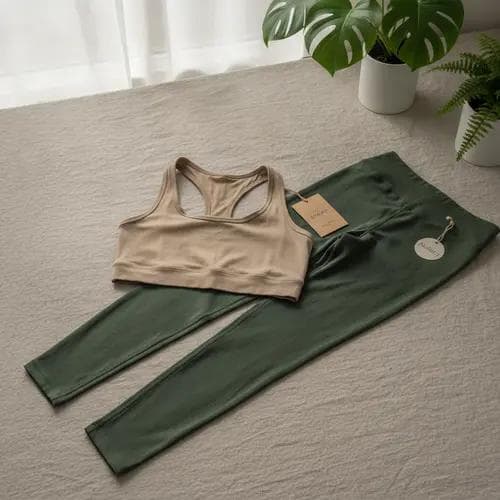
For yoga apparel, which requires a high degree of stretch, durability, and breathability, the challenge is finding materials that perform well while minimizing environmental impact. Opting for recycled polyester, organic cotton, or innovative plant-based fibers sends a clear message that your brand prioritizes the planet.
When you use these materials, your product design naturally supports your brand messaging. You can highlight the lifecycle of the fabric, explaining how plastic bottles were transformed into high-performance leggings or how organic farming practices reduce water consumption and eliminate toxic pesticides. This tangible connection between the material and the environmental benefit makes your messaging far more impactful.
Sustainable product design is not just about what a product is made of, but also how long it lasts. The "fast fashion" model, characterized by rapid turnover and disposable clothing, is inherently unsustainable. By embracing a design philosophy centered on longevity and minimalism, brands can communicate a profound commitment to eco-values.
In the context of yoga wear, this means designing garments that withstand rigorous workouts and frequent washing without losing their shape or functionality. It also involves favoring timeless, versatile designs over fleeting trends. A pair of high-quality, minimalist yoga pants that a customer can wear for years speaks volumes about a brand’s dedication to reducing waste.
Your brand messaging can then focus on the concepts of durability and conscious consumption. Encouraging customers to "buy less, but buy better" aligns perfectly with a product designed for longevity, reinforcing your eco-values in a way that resonates with environmentally conscious consumers.
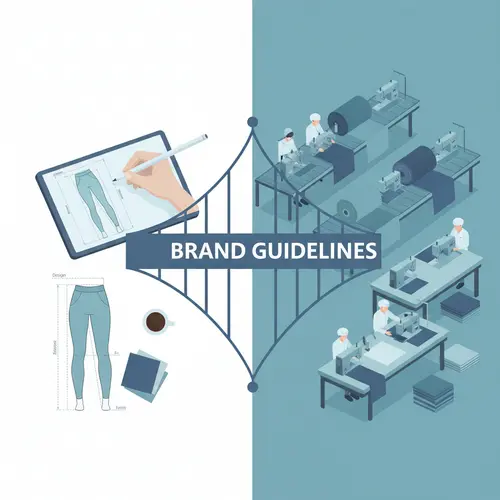
Product design encompasses not only the final item but also the processes used to create it. Communicating eco-values effectively requires transparency about how and where your products are made.
Sustainable design involves optimizing manufacturing processes to reduce energy consumption, minimize water usage, and eliminate harmful chemicals. For example, utilizing waterless dyeing techniques or closed-loop manufacturing systems demonstrates a proactive approach to environmental stewardship.
When your design process includes these considerations, your brand messaging can confidently highlight your ethical supply chain. Transparency builds trust. By sharing the behind-the-scenes details of your manufacturing process, you invite your customers to be part of your sustainability journey, turning your operational choices into powerful brand messaging tools.
Often overlooked, packaging is a critical component of product design and a prime opportunity for sustainable brand messaging. The moment a customer receives your product, the packaging is their first physical interaction with your brand. If a garment marketed as "eco-friendly" arrives wrapped in layers of single-use plastic, the messaging instantly loses credibility.
Sustainable product design extends to the packaging. Utilizing biodegradable, compostable, or recycled materials for mailers, hangtags, and protective wrapping reinforces your eco-values. Furthermore, designing packaging that serves a secondary purpose or can be easily recycled encourages the consumer to participate in your sustainability efforts.
Your messaging should draw attention to these packaging choices, explaining the environmental benefits and instructing the customer on how to dispose of the materials responsibly. This holistic approach ensures that your eco-values are communicated consistently from the product itself to the very box it arrives in.
Building a brand that genuinely reflects sustainable values requires a manufacturing partner who shares your vision. At [Your Company Name], we specialize in premium yoga wear customization, offering comprehensive OEM and ODM services tailored to B2B clients.
We understand that product design and brand messaging must align perfectly. That is why we offer a wide range of eco-friendly fabrics, ethical manufacturing processes, and customizable, sustainable packaging options. Whether you are launching a new eco-conscious activewear line or transitioning your existing brand towards sustainability, our expert team is here to bring your vision to life.
Partner with us to create high-performance, stylish yoga apparel that speaks volumes about your commitment to the planet. Contact us today to discuss your customization needs and discover how our brand collaboration services can help you build a sustainable, market-leading activewear brand.
1. How does material choice in yoga wear impact sustainable brand messaging?Material choice is the most tangible proof of a brand's commitment to sustainability. Using eco-friendly fabrics like recycled polyester or organic cotton allows brands to build authentic messaging around resource conservation and waste reduction, avoiding accusations of greenwashing.
2. Why is product longevity considered a sustainable design practice?Designing products for longevity combats the environmental damage caused by fast fashion. High-quality, durable yoga wear that withstands frequent use reduces the overall volume of clothing ending up in landfills, supporting a brand message of conscious consumption and waste reduction.
3. Can packaging really affect a brand's eco-friendly image?Absolutely. Packaging is the first physical touchpoint for the consumer. If an eco-friendly product is shipped in excessive, non-recyclable plastic, it contradicts the brand's sustainable messaging. Using biodegradable or recycled packaging ensures consistency in communicating eco-values.
4. What is the role of transparency in communicating eco-values?Transparency about manufacturing processes—such as water usage, energy consumption, and labor conditions—builds trust. When a brand openly shares how its products are designed and made, it validates its sustainable messaging and fosters deeper loyalty among eco-conscious consumers.
5. How can OEM/ODM services help my brand achieve sustainable product design?A specialized OEM/ODM partner provides access to sustainable materials, ethical manufacturing processes, and eco-friendly packaging solutions that might be difficult to source independently. This partnership ensures that your final products align with your eco-values, allowing you to confidently market your brand as sustainable.
Written by
Dayu
Ready to bring your
yoga brand to life?