For small and medium-sized activewear brands, sourcing high-quality materials is often one of the most significant hurdles in the production process. When building a yoga wear line, the feel, stretch, and durability of the fabric define the brand's reputation. However, premium fabric suppliers typically enforce a Minimum Order Quantity (MOQ) that can stretch the budget of an emerging brand. Understanding how to navigate these requirements and successfully negotiate fabric MOQ is essential for maintaining cash flow while delivering exceptional products to your customers.
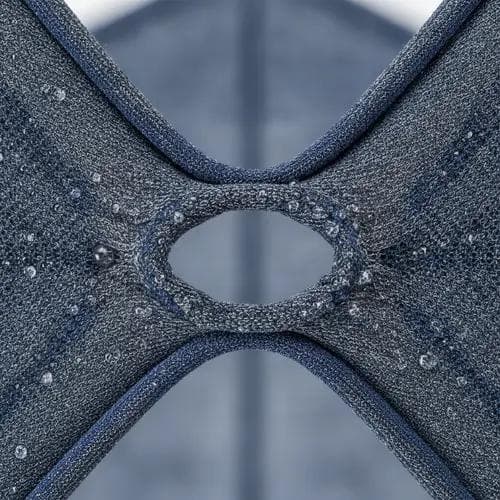
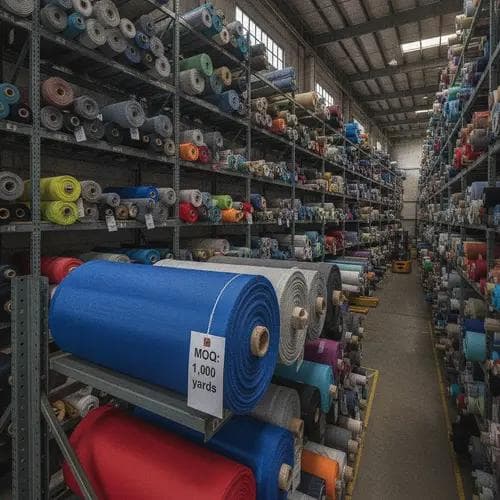
Minimum Order Quantity (MOQ) refers to the lowest volume of fabric a supplier is willing to produce or sell in a single order. In the textile industry, MOQs are established to ensure that the cost of setting up machinery, dyeing, and finishing is economically viable for the mill. For specialized performance fabrics used in yoga apparel—such as moisture-wicking blends, four-way stretch nylons, and buttery-soft spandex—the setup process is complex, often resulting in higher MOQs.
Small and medium brands frequently find themselves caught between the desire to use top-tier materials and the financial constraint of purchasing thousands of yards of fabric upfront. Overcoming this challenge requires strategic planning, effective communication, and a deep understanding of the manufacturing ecosystem.
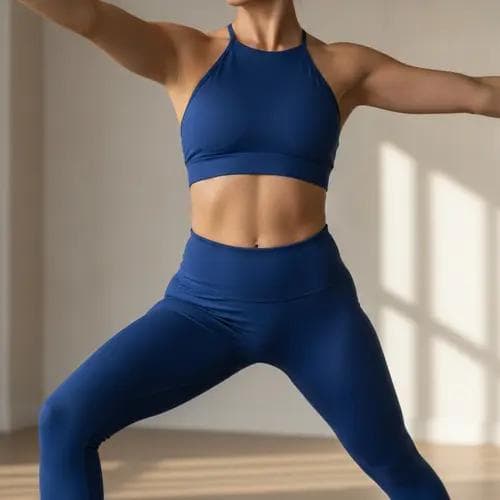
In the competitive landscape of yoga and activewear, fabric is everything. Consumers expect garments that offer compression, breathability, and squat-proof opacity. Achieving this level of quality means partnering with reputable mills. High MOQs can force brands to either tie up significant capital in inventory or compromise on fabric quality by choosing lower-grade, readily available alternatives.
By mastering MOQ negotiation, your brand can access premium materials without overextending financial resources. This flexibility allows for broader color palettes, diverse style offerings, and the ability to test new designs in the market with lower risk.
Successfully lowering fabric MOQs requires a blend of relationship building, flexibility, and smart production strategies. Here are effective approaches tailored for small and medium brands.
Suppliers are businesses looking for reliable revenue streams. When approaching a fabric mill or an OEM manufacturer, present your brand's growth trajectory. Share your business plan, marketing strategies, and projected sales. If a supplier believes that your small initial order will lead to substantial, recurring business in the future, they are often more willing to lower their standard MOQ to help you get started.
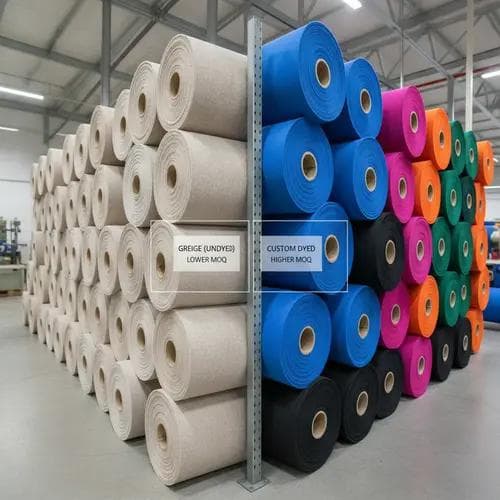
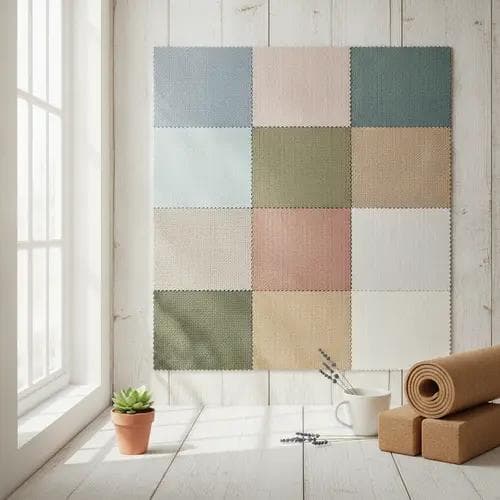
Custom dyeing and knitting from scratch are the primary reasons for high MOQs. To bypass this, inquire if the supplier has "in-stock" fabrics. These are materials already produced and held in the warehouse, usually available in much smaller quantities. Alternatively, ask about "greige" goods—un-dyed, unfinished fabrics that the mill has on hand. Dyeing existing greige fabric requires a significantly lower MOQ than manufacturing the textile from the raw yarn stage.
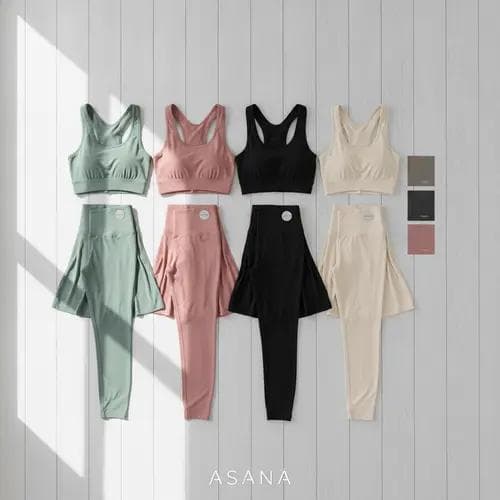
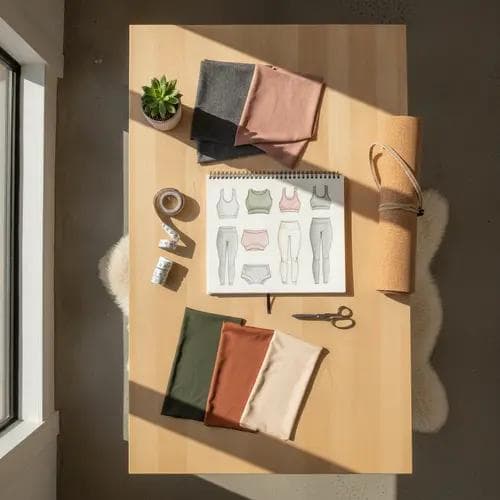
If you are launching a new yoga wear collection, streamline your color palette. Dyeing machines have minimum capacity requirements. By using the same fabric and color across multiple styles—such as leggings, sports bras, and tank tops—you can pool your yardage to meet the supplier's MOQ. A cohesive, minimalist color collection not only solves the MOQ issue but also creates a strong, unified brand aesthetic.
Sometimes, suppliers are rigid on MOQ because of the setup costs. You can negotiate a lower quantity by offering to pay a "small lot surcharge" or an upcharge per yard. While this increases your unit cost slightly, it prevents you from tying up thousands of dollars in excess inventory. For a growing yoga wear brand, paying a premium for a smaller batch is often a safer financial decision than overstocking.
One of the most effective ways to bypass high fabric MOQs is to work with an experienced OEM/ODM clothing manufacturer. Established manufacturers have long-standing relationships with fabric mills and produce garments for multiple clients simultaneously. They can often combine your fabric needs with those of other brands, effectively meeting the mill's MOQ through collective purchasing power.

Navigating the complexities of fabric sourcing, MOQ negotiation, and production can be overwhelming for a growing brand. Partnering with a specialized manufacturer that understands the nuances of the activewear market can streamline your entire supply chain. A dedicated OEM/ODM partner will not only handle fabric negotiations but also provide expert guidance on pattern making, sampling, and quality control, ensuring your yoga wear meets the highest industry standards.
Negotiating fabric MOQ is a critical skill for small and medium brands aiming to scale in the competitive activewear market. By approaching suppliers with a long-term vision, utilizing in-stock materials, consolidating designs, and leveraging the purchasing power of established manufacturing partners, you can secure premium fabrics without compromising your cash flow. Strategic sourcing lays the foundation for high-quality products that resonate with your target audience and drive brand loyalty.
Are you looking to launch or scale your activewear line without the stress of unmanageable MOQs? We specialize in premium yoga wear customization, offering comprehensive OEM/ODM and brand cooperation services tailored for B2B clients. From sourcing high-performance fabrics with flexible minimums to precision manufacturing and private labeling, our team is dedicated to bringing your vision to life. Partner with us to streamline your production, reduce overhead, and deliver exceptional quality to your customers. Contact us today to discuss your custom yoga wear project and discover how our manufacturing solutions can accelerate your brand's growth.
Q1: What is a typical fabric MOQ for custom yoga wear?A typical fabric MOQ for custom-knitted and dyed performance activewear fabrics ranges from 1,000 to 3,000 yards per color. However, by utilizing in-stock fabrics or working with a specialized OEM manufacturer, this can often be reduced significantly.
Q2: Can I get custom colors if I order below the standard MOQ?Yes, but it usually involves a compromise. You may need to pay a small lot surcharge to cover the dyeing machine setup costs, or you can choose from the supplier's available color cards for in-stock materials which require no minimums.
Q3: How does working with an OEM/ODM manufacturer help with fabric MOQs?Experienced OEM/ODM manufacturers pool fabric orders from multiple clients. Because they buy in massive volumes, they can meet the mill's high MOQs, allowing individual small and medium brands to order smaller quantities without facing strict minimums.
Q4: What is the difference between custom fabric and in-stock fabric?Custom fabric is knitted, dyed, and finished specifically for your order according to your exact specifications, requiring high MOQs. In-stock fabric is pre-manufactured by the supplier and kept in their warehouse, allowing brands to purchase much smaller quantities immediately.
Q5: Is it better to pay a surcharge for a lower MOQ or order the full MOQ?For small and medium brands testing a new market or launching a new style, paying a surcharge for a lower MOQ is generally safer. It preserves cash flow and reduces the risk of holding dead stock, even though the cost per garment will be slightly higher.
Written by
Dayu
Ready to bring your
yoga brand to life?