In the competitive landscape of activewear manufacturing and yoga apparel branding, the technical specifications of textiles often dictate the success of a product line. Among these specifications, fabric weight—measured in Grams per Square Meter (GSM)—is a critical metric that directly influences the performance, comfort, and durability of yoga garments. For brands, wholesalers, and fitness studios looking to develop premium yoga wear, understanding the science of GSM is essential. This guide explores the significance of fabric weight and how to select the optimal GSM for various yoga styles, ensuring your product offerings meet the exacting demands of modern practitioners.
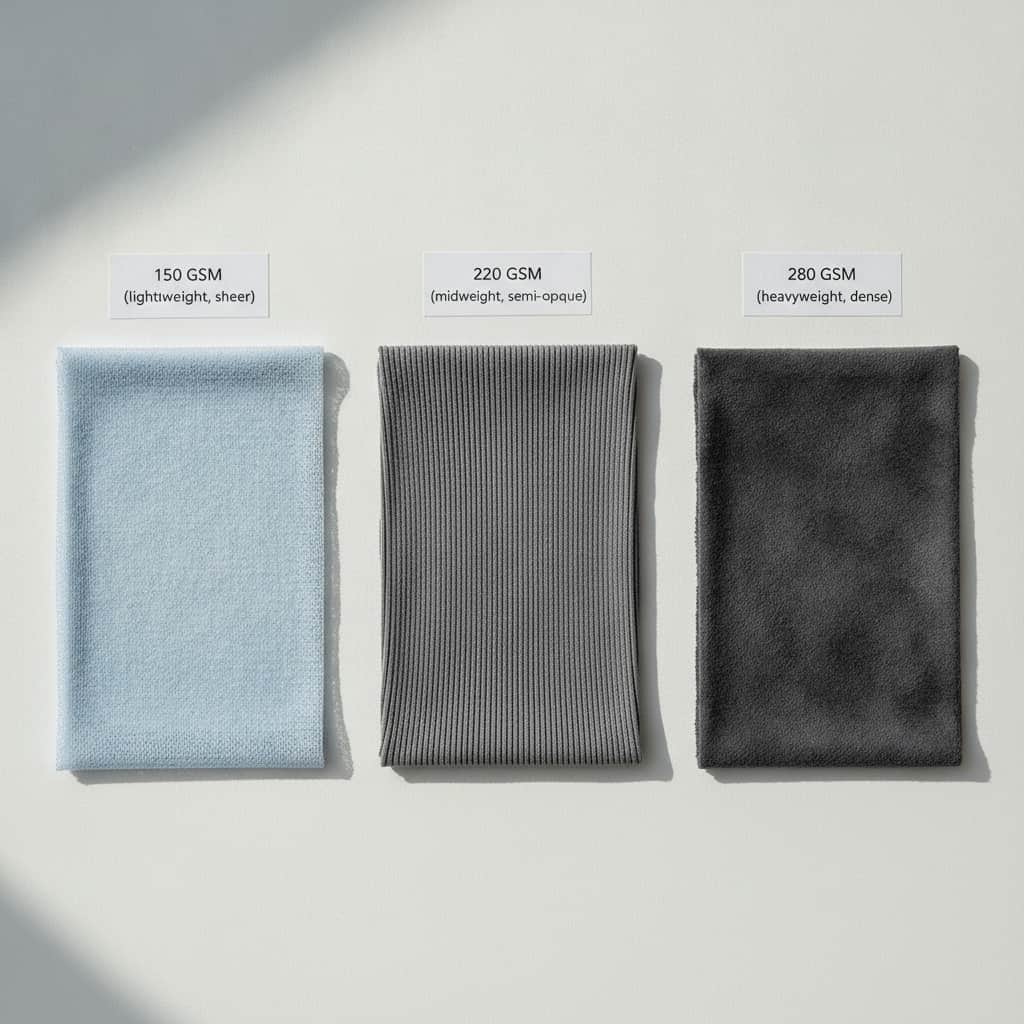
GSM, or Grams per Square Meter, is the standard unit of measurement for fabric weight in the textile industry. It provides an objective assessment of a material's density and thickness, independent of its fiber composition or knit structure. In the context of yoga apparel, GSM is a fundamental parameter that determines several key performance characteristics:
The diversity of yoga practices necessitates a nuanced approach to fabric selection. A one-size-fits-all strategy is ineffective, as the physiological demands of a Hot Yoga class differ vastly from those of a Restorative session. Here is a breakdown of the ideal GSM ranges tailored to specific yoga styles:
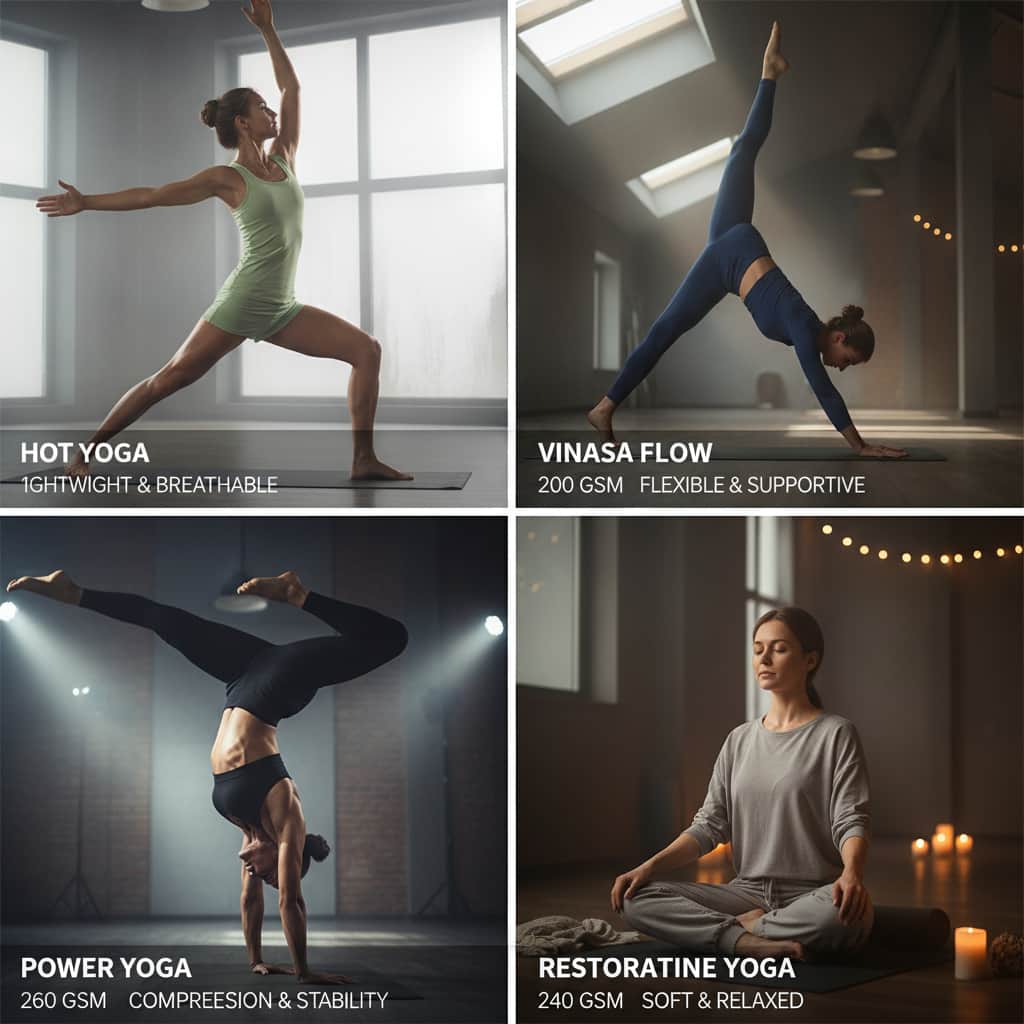
Hot Yoga and Bikram are practiced in heavily heated rooms, resulting in profound perspiration. The primary functional requirements for apparel in these settings are maximum breathability, rapid moisture-wicking, and a lightweight feel that does not become burdensome when saturated.
Vinyasa, or Flow Yoga, involves continuous, dynamic movement, linking breath with motion. Practitioners require apparel that offers a balance of flexibility, moderate support, and efficient moisture management. The fabric must stretch seamlessly without losing its shape or becoming sheer during transitions.
Power Yoga and Ashtanga are rigorous, athletic styles that demand significant strength and stamina. Practitioners benefit from apparel that offers substantial compression, muscle support, and exceptional durability to withstand intense friction against the mat.
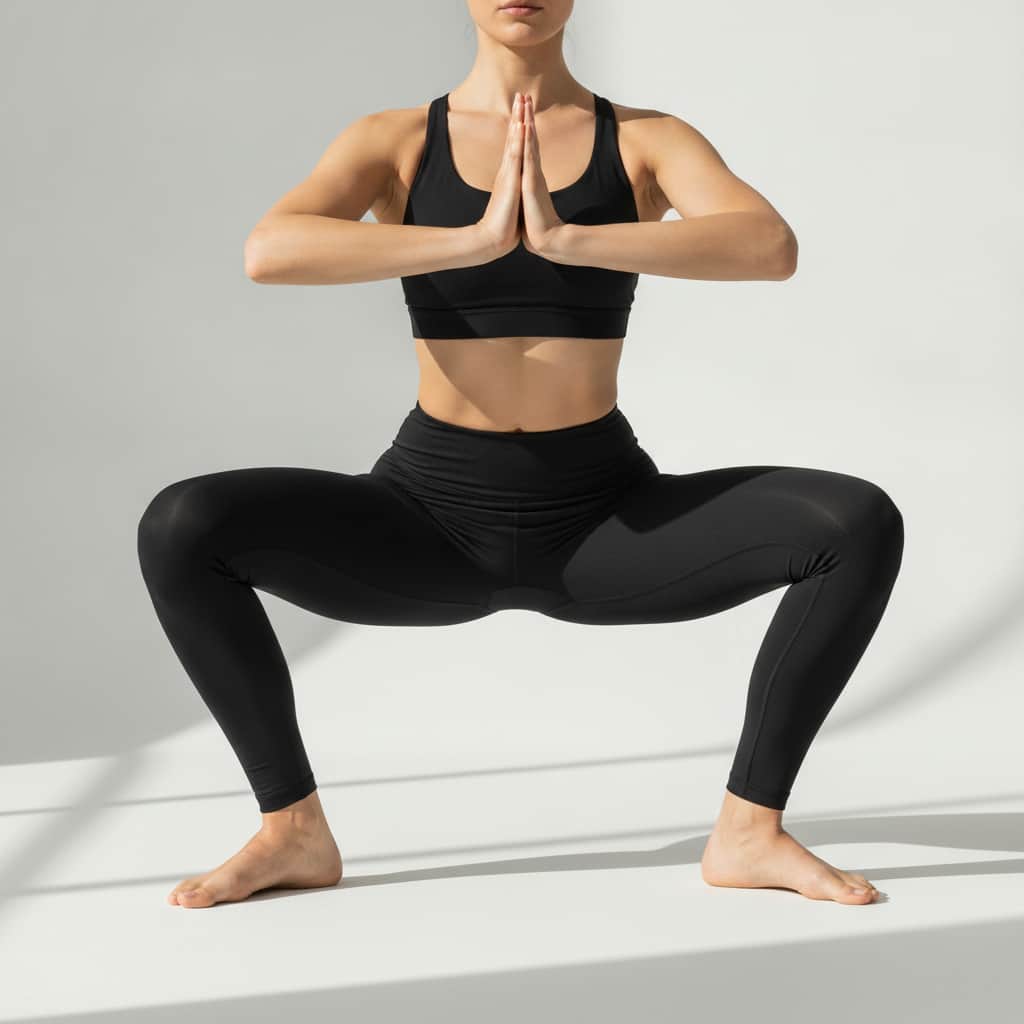
Yin and Restorative practices focus on deep tissue release and relaxation, involving long-held, static poses. The emphasis shifts from moisture management to thermal comfort, tactile softness, and unrestricted movement.
Choosing the right fabric weight is a critical step in developing a successful yoga apparel line. By aligning the GSM and fabric composition with the specific demands of different yoga styles, brands can deliver products that resonate with practitioners and stand out in a crowded market.
Are you looking to develop a premium line of custom yoga wear? We specialize in high-quality OEM/ODM manufacturing and comprehensive brand services for yoga apparel and equipment. Our expertise in technical fabrics, precision cutting, and scalable production ensures your vision becomes a reality. Whether you need lightweight, moisture-wicking gear for Hot Yoga or high-compression, squat-proof leggings for Power Yoga, our team is ready to deliver exceptional results. Contact us today to discuss your custom yoga apparel needs and discover how our manufacturing solutions can elevate your brand.
Q1: Can a high GSM fabric still be breathable? Yes. While higher GSM fabrics are denser, breathability can be engineered through advanced knitting techniques, moisture-wicking treatments, and the strategic use of specific fiber blends (such as incorporating specialized polyester yarns). However, for maximum breathability in high-heat environments, lower GSM fabrics remain the superior choice.
Q2: How does the percentage of Spandex affect the GSM and performance of yoga leggings? Spandex (elastane) is heavier than nylon or polyester. Therefore, increasing the spandex percentage (e.g., from 10% to 25%) will naturally increase the overall GSM of the fabric. A higher spandex content enhances the fabric's four-way stretch, recovery, and compressive support, which is why it is frequently utilized in high-support, heavyweight leggings designed for athletic yoga styles.
Q3: What is the best way to ensure yoga leggings are "squat-proof"? Ensuring leggings are squat-proof requires a combination of adequate fabric weight (typically a minimum of 220 GSM) and high-density knitting techniques, such as interlock construction. This dual-layered knitting approach provides maximum coverage and opacity, preventing the fabric from becoming sheer even when subjected to extreme tension during deep stretches.
Written by
Zenlume Studio
Ready to bring your
yoga brand to life?