Sustainable Yoga Wear Materials: Eco-Friendly Fabrics Guide
June 3, 2026Zenlume Studio
In the competitive world of activewear and yoga apparel, the tactile experience of a garment can make or break a brand. Consumers consistently seek that elusive "buttery soft" feel—a texture so smooth, lightweight, and comforting that it feels like a second skin. But what exactly gives premium yoga pants and leggings this luxurious quality? For activewear brands and apparel businesses, understanding the manufacturing secrets behind these fabrics is crucial for product development and sourcing. This deep dive explores the sophisticated brushing and finishing processes that transform standard synthetic blends into the ultra-soft materials defining today's premium yoga wear market.
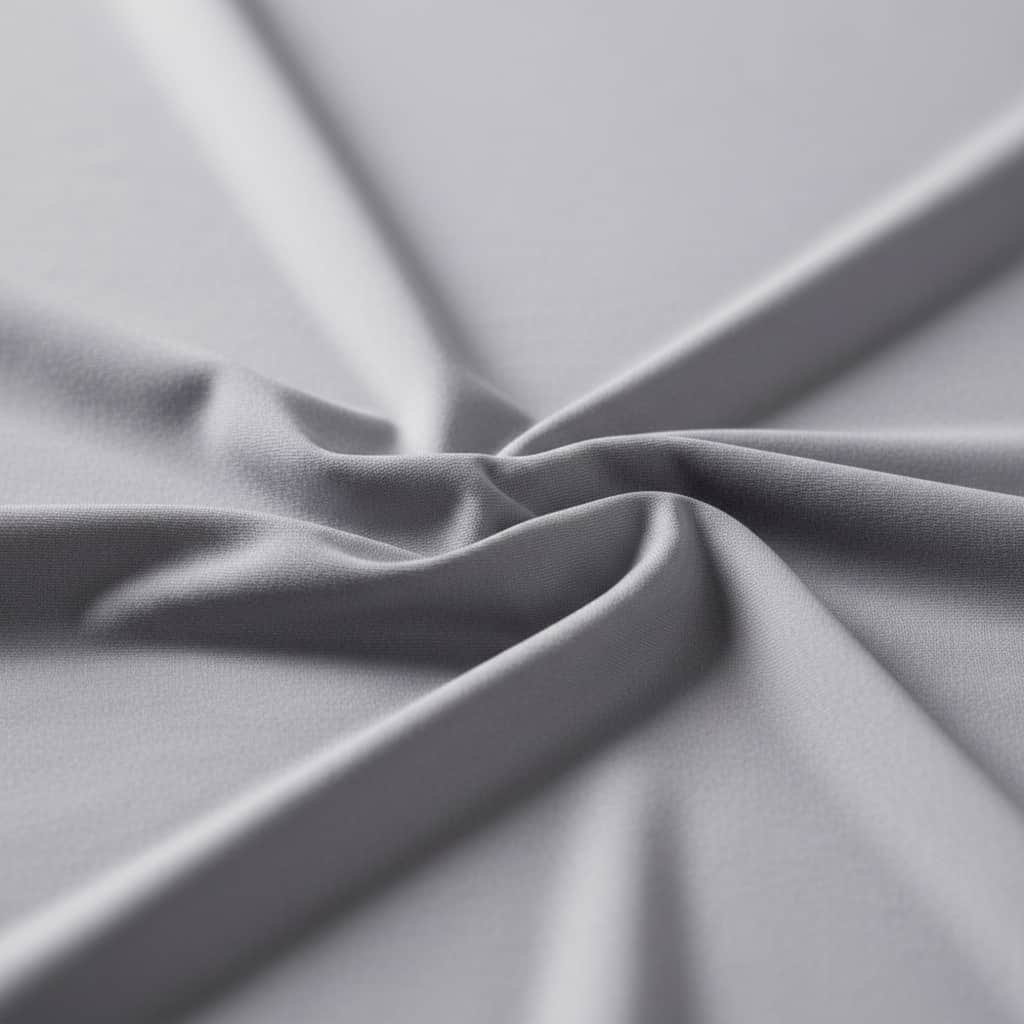
The term "buttery soft" has become an industry standard for describing high-end activewear, particularly in the yoga segment. Technically, this softness refers to a fabric's hand-feel (or "hand"), which is determined by the friction coefficient of the material's surface. When consumers touch a buttery soft legging, they are experiencing a textile that has been engineered to minimize surface resistance while maximizing flexibility and drape.
In yoga wear manufacturing, achieving this texture usually starts with a high-quality base blend, typically combining fine-denier polyester or nylon with a significant percentage of spandex (elastane) for four-way stretch. However, the raw knit of these synthetic fibers is inherently smooth but somewhat slick and synthetic to the touch. The magic—the transformation from slick to buttery—happens during the specialized mechanical and chemical finishing stages.
Brushing, also known as peaching or sueding, is the primary mechanical process responsible for the buttery soft texture. During this stage, the knitted fabric is passed over a series of rapidly rotating rollers covered in fine, abrasive materials or wire brushes.
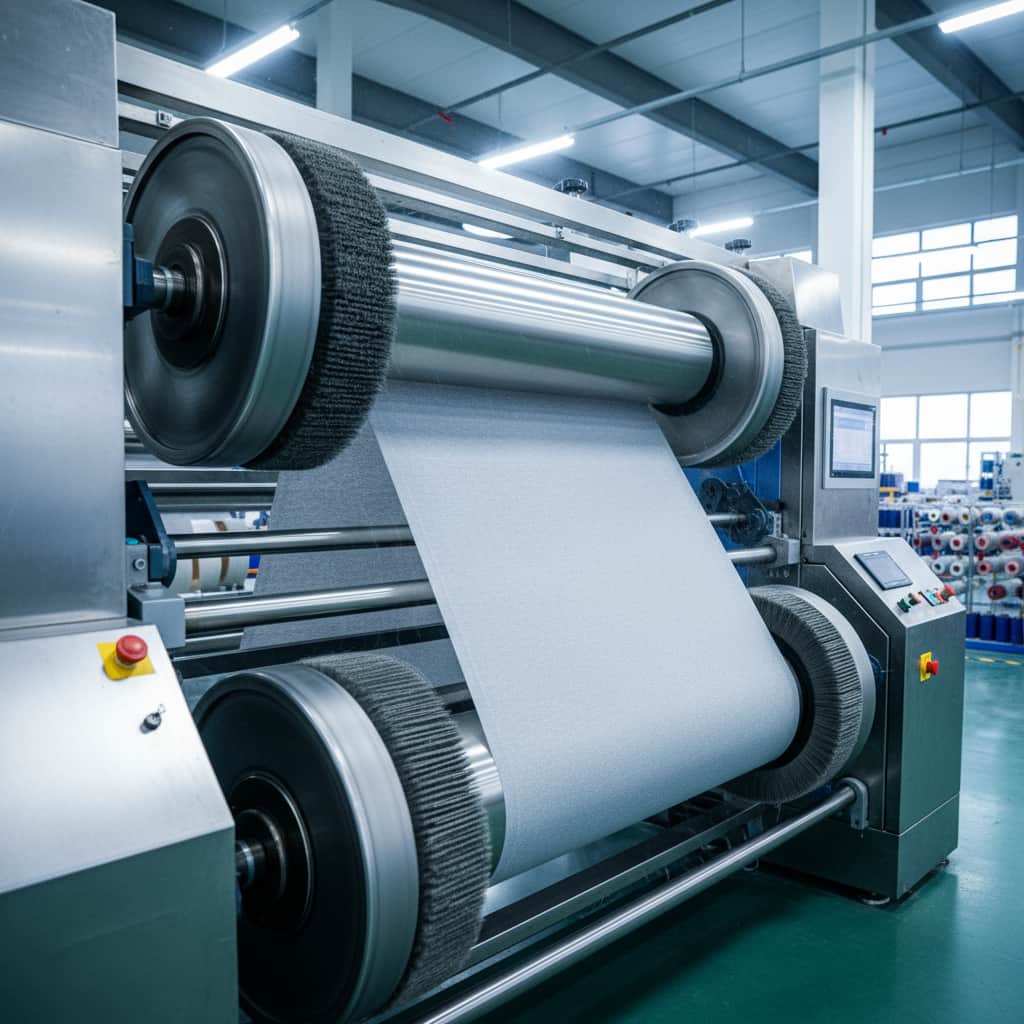
As the fabric moves over these rollers, the abrasive surface gently lifts and breaks a microscopic layer of the top fibers. This creates a dense, incredibly fine fuzz on the surface of the fabric. The precision of this process is paramount. If brushed too aggressively, the fabric loses its structural integrity, leading to premature pilling and compromised stretch. If brushed too lightly, the desired softness is not achieved.
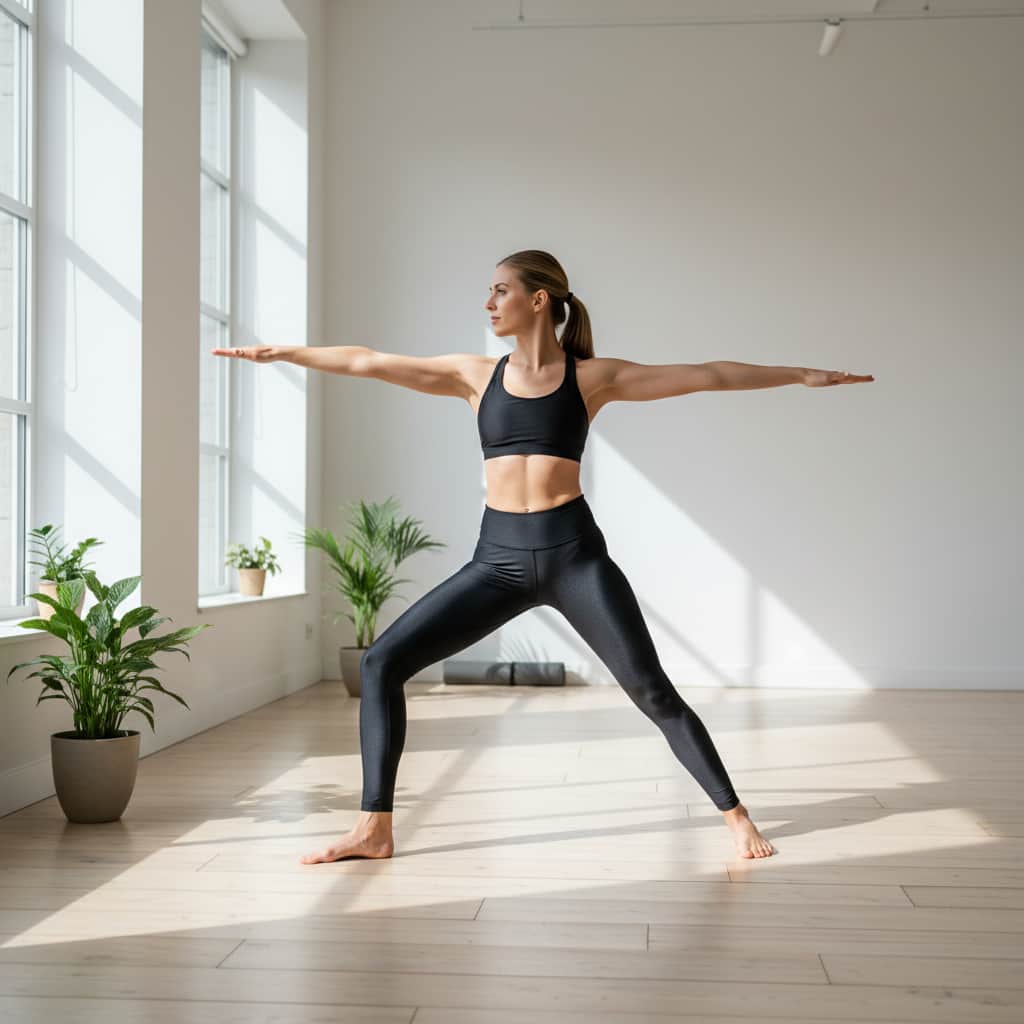
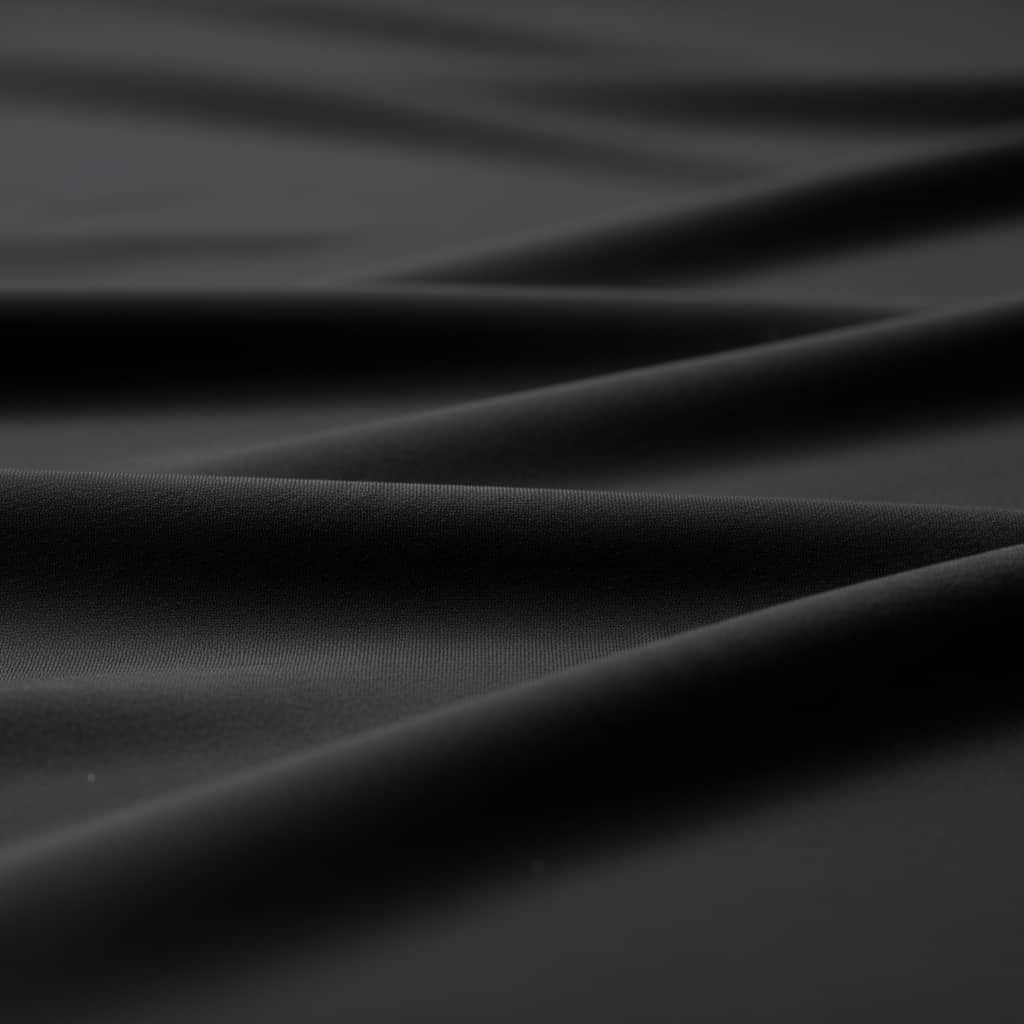
For premium yoga wear customization, manufacturers often employ double-sided brushing. This means both the inside (the side touching the skin) and the outside of the garment undergo the peaching process. The result is a fabric that provides exceptional comfort against the body while presenting a luxurious, matte finish on the exterior, eliminating the cheap, shiny look often associated with basic synthetics.
While mechanical brushing creates the physical texture, chemical finishing cements the buttery feel and enhances the fabric's performance. In B2B apparel manufacturing, selecting the right chemical finishes is a critical step in developing a proprietary fabric blend for a brand.

For businesses in the yoga apparel sector, the tactile quality of your product is a primary driver of customer retention and brand loyalty. When a consumer puts on a pair of buttery soft leggings, the immediate sensory feedback validates the product's premium positioning.
Furthermore, the right combination of brushing and finishing contributes to the garment's functional performance. The micro-fuzz created by brushing helps to trap a tiny layer of air, providing subtle temperature regulation—keeping the wearer comfortable in a cool studio without causing overheating during practice. For brands looking to stand out in a saturated market, investing in custom-developed, properly finished fabrics is not just a luxury; it is a strategic business necessity.
Are you looking to launch or scale your activewear line with fabrics that truly stand out? The secret to dominating the yoga apparel market lies in exceptional material quality and precise manufacturing. As a dedicated B2B partner specializing in premium yoga wear and equipment, we offer comprehensive OEM and ODM services tailored to your brand's unique vision. From sourcing the perfect buttery soft, custom-brushed fabrics to precise pattern making and bulk production, our end-to-end manufacturing solutions ensure your products meet the highest industry standards.
Whether you need bespoke fabric development, private label yoga apparel, or custom yoga accessories, our experienced team is ready to bring your designs to life. Contact us today to discuss your customization needs, request fabric swatches, and discover how our manufacturing expertise can elevate your brand.
Q1: Does the brushing process affect the breathability of yoga pants? A: When executed correctly, brushing does not significantly impede breathability. While it creates a soft surface texture, high-quality manufacturing pairs mechanical brushing with advanced moisture-wicking chemical finishes. This ensures the fabric remains highly breathable and capable of managing sweat effectively during athletic performance.
Q2: How can I prevent buttery soft activewear from pilling over time? A: Pilling prevention starts at the manufacturing level with the application of anti-pilling treatments and the use of long-staple synthetic fibers. For consumers, longevity is maintained by washing the garments inside out on a gentle cycle with cold water, avoiding fabric softeners, and hanging them to dry rather than using a heated tumble dryer.
Q3: Can buttery soft fabrics be made from sustainable or recycled materials? A: Yes, absolutely. The brushing and finishing techniques used to create a buttery soft texture can be effectively applied to recycled polyester and recycled nylon blends. Many forward-thinking activewear brands are now partnering with manufacturers to develop eco-friendly, buttery soft collections that offer the same luxurious hand-feel while aligning with sustainable business practices.
Written by
Zenlume Studio
Ready to bring your
yoga brand to life?